
- Home
- Company
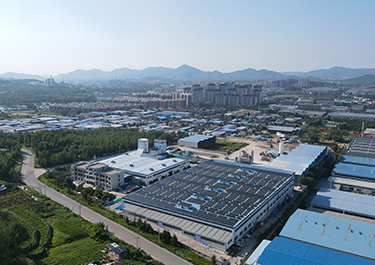 Our FactoryWe have a team of more than 30 talented geotechnical material R&D experts and a 30,000 square meter advanced modern intelligent manufacturing plant.
 - Products
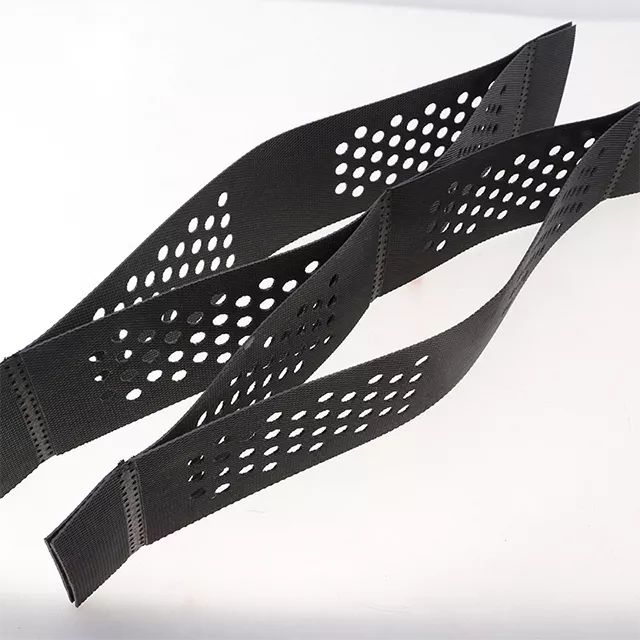 Geocell is a three-dimensional mesh structure made of high-strength polymer sheets (such as HDPE, PP, etc.) through ultrasonic welding. When unfolded, it presents a three-dimensional grid shape.
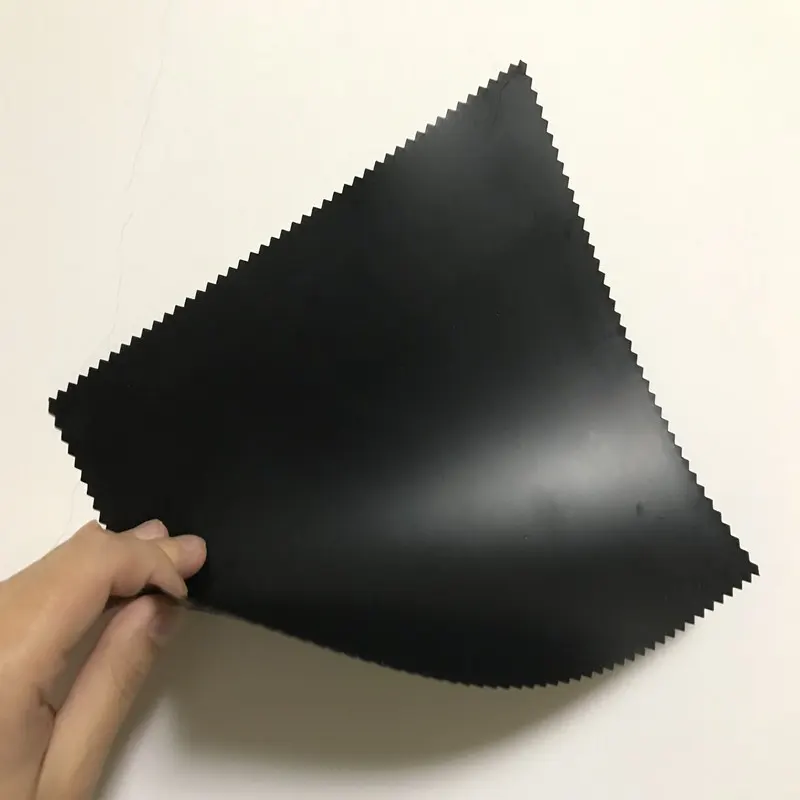 Geomembrane is a thin, extremely low-permeability sheet material made from high-molecular-weight polymers (high-density polyethylene, linear low-density polyethylene).
 - Blog
- Contacts
The 9 Key Roles of Geomembranes in Fish and Shrimp Farming


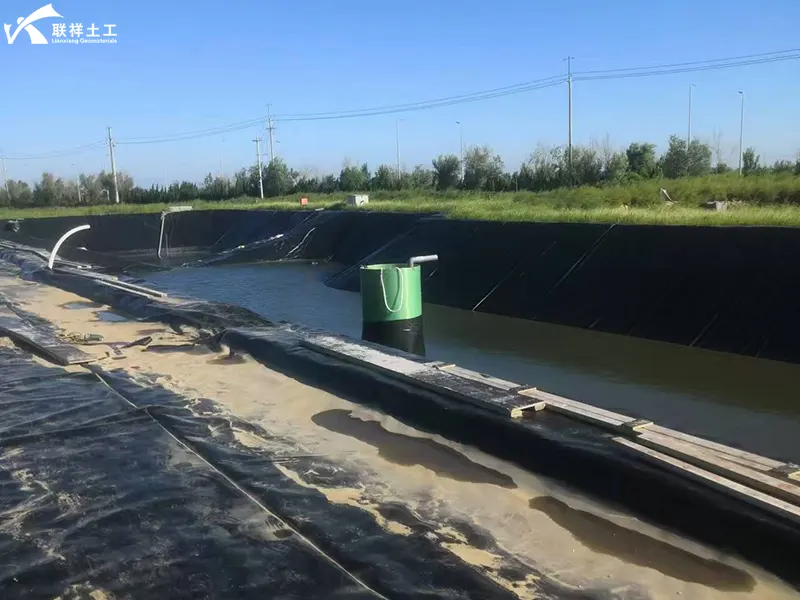
Traditional earthen pond aquaculture has long suffered from numerous problems, including severe leakage, unstable water quality, dirty bottom sediment, high disease incidence, tedious pond cleaning, and high escape rates of fish and shrimp, seriously restricting the yield and efficiency of aquaculture. HDPE geomembranes, as a core supporting material for modern standardized aquaculture, completely optimize traditional farming methods with their superior impermeability, stability, corrosion resistance, and practicality. From water conservation and retention, bottom sediment improvement, and disease control, to quality improvement, increased production, and reduced farming costs, they comprehensively solve the problems of earthen pond aquaculture and are an essential facility for today's large-scale, ecological, and efficient fish and shrimp farming. Their specific core functions are as follows:
1. What is a Fish and Shrimp Aquaculture Geomembrane?
1.1. Definition
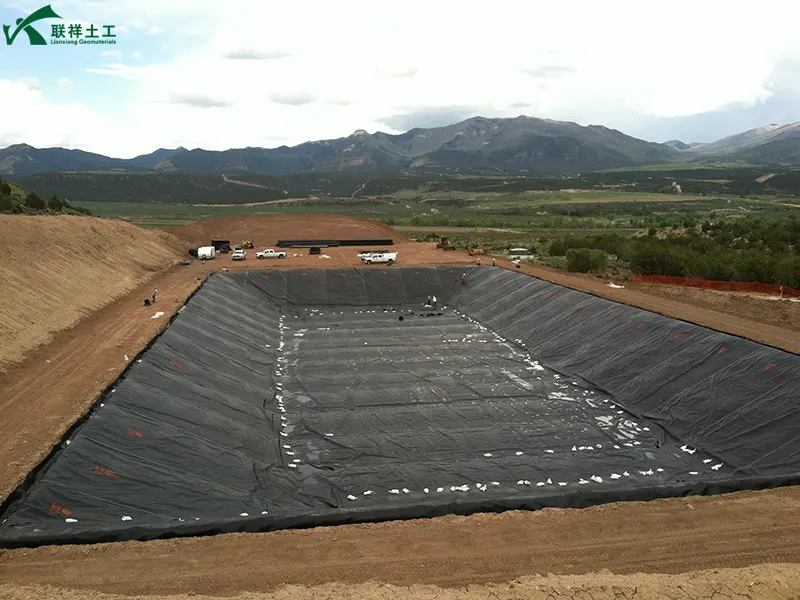
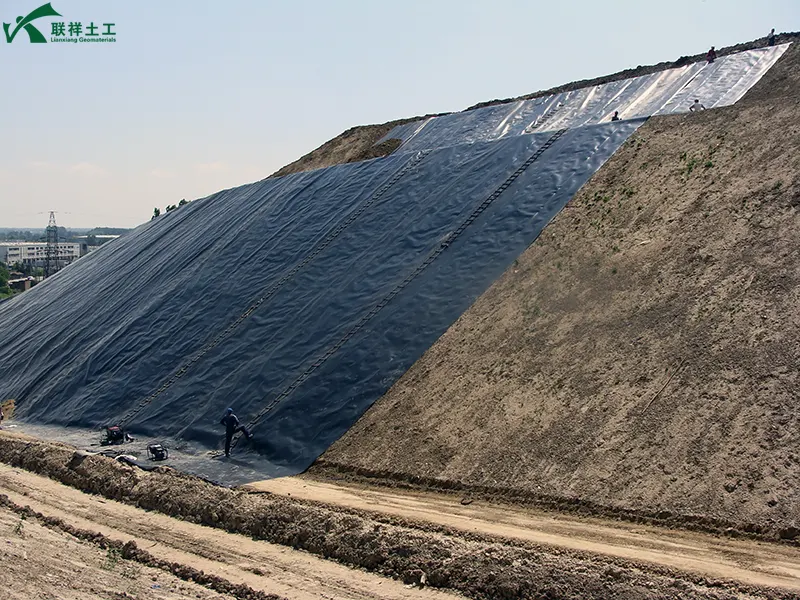
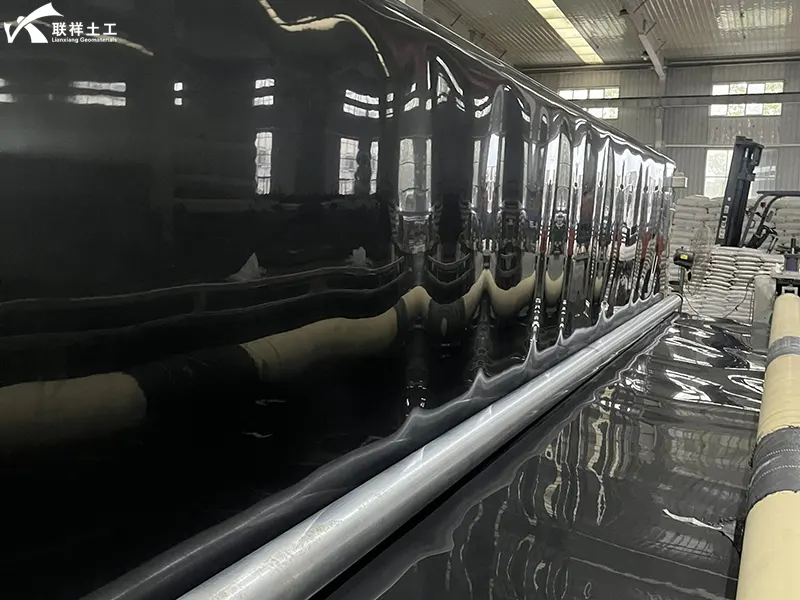
A fish and shrimp aquaculture geomembrane is a black plastic impermeable roll produced by extrusion and calendering of high-density polyethylene (HDPE) as raw material, with added anti-aging, anti-UV, and aquatic acid and alkali resistant additives. It is a special impermeable and waterproof material for aquatic ponds, commonly known as shrimp membrane or fish pond membrane. Commonly used thicknesses for conventional aquaculture are 0.5mm, 0.75mm, and 1.0mm.
1.2. Core Physicochemical Indicators (Industry-Standard Data)
- Permeability coefficient ≤ 1 × 10^{-12} cm/s, virtually zero water seepage;
- Elongation at break ≥ 700%, no film cracking even with slight foundation settlement;
- Resistant to acids and alkalis, corrosion from fish and shrimp feces, and corrosion from quicklime disinfection;
- Black raw material with added carbon black for UV resistance, service life of 8-15 years in open-air fishponds.
2. How to Choose the Thickness of Geomembrane for Fish and Shrimp Aquaculture
2.1. Conventional Fish Ponds/Ordinary Shrimp Ponds (Water Depth ≤ 1.5m)
- Flat pond bottom, no gravel: 0.5mm (National Standard)
- Old pond renovation, with gravel/grass roots: 0.75mm (Most Common)
- High-density aquaculture, fish and shrimp have bottom-burrowing habits (loach/eel/crab): 0.75–1.0mm
2.2. Deep Water/Elevated Ponds/Seawater Aquaculture (Water Depth 1.5–3m)
- Fish Ponds: 1.0–1.2mm
- Elevated Shrimp Ponds, Steep Slopes: 1.0mm (Rough Surface)
- Water Depth > 2m, High Pressure: 1.2–1.5mm
2.3. Difference Between Slope and Pond Bottom
- Pond Bottom: Mainly smooth surface, 0.5–0.75mm.
- Slope (>1:2): Rough surface for slip resistance, 0.2mm thicker than the pond bottom.
3. Nine Major Roles of Geomembrane in Fish and Shrimp Farming
3.1. Highly Effective Seepage Prevention and Water Conservation (Core Role)
- Material: HDPE geomembrane, permeability coefficient ≤1×10⁻¹² cm/s
- Effect: Reduces seepage loss by ≥95%; increases water use efficiency by 30%–50%
- Example: Daily seepage of a 10-acre earthen pond was approximately 80–120 m³; after geomembrane installation, daily seepage was < 5 m³
3.2. Isolating Bottom Sediment and Cutting Off Pathogens
- Isolates soil from water, preventing harmful substances such as heavy metals, pesticide residues, hydrogen sulfide, and methane from entering the water.
- Disease incidence rate reduced by 40%–60%; incidence of EMS and white spot disease in shrimp decreased by 50%+
- Prevents soil-borne diseases, improving the success rate of restocking after pond clearing. 30%
3.3. Stabilize Water Quality and Reduce Stress
- Reduce fluctuations in water level, salinity, and pH by >70%
- Reduce dissolved oxygen (DO) loss, lowering oxygenation energy consumption by 20%–35%
- Increase shrimp molting survival rate by 15%–25%
3.4. Suppress Algae and Reduce Maintenance
- Black geomembrane provides shade, suppressing blue-green algae and reducing algal biomass by 60%–80%
- Extend pond cleaning cycle by 2–3 times; reduce dredging volume by 90%+
- Restocking is possible 7 days after pond drying (15–20 days for earthen ponds)
3.5. Stabilize Pond Structure and Increase Effective Water Surface Area
- Slope can be made to 1:1.5–1:2 (generally 1:3 for earthen ponds), increasing the effective area of a single pond by 10%–20%
- Improve resistance to wind, waves, and rain erosion, reducing pond wall maintenance rate by 80%
- Service life: 10–20 years (earthen ponds require major repairs every 3–5 years)
3.6. Improved survival rate, increased yield and income
- Average fish and shrimp survival rate increased by 15%–30%
- Yield per unit area increased by 20%–40% (up to 50% for shrimp)
- Reduced harvesting damage, increased marketable yield by 10%–15%
3.7. Easy dredging and disinfection, shortened pond emptying period
- Smooth membrane surface, easy to clean with a high-pressure water gun, reducing pond cleaning time by 60%
- Can be directly disinfected with bleaching powder, quicklime, etc., with no dead corners, improving disinfection effect by 50%
- Pond emptying period shortened from 20–30 days to 7–10 days, allowing for 1–2 more harvests per year
3.8. Prevents escape, reduces losses
- HDPE membrane of 0.5mm or thicker prevents loach and eel from escaping, and prevents crabs from climbing and escaping. Escape rate reduced from 10%–20% in earthen ponds to < 1%
- Reduces yield loss due to "hidden escapes," resulting in significant economic benefits
3.9. Environmentally Controllable, Easy-to-Treat Wastewater
- Isolates aquaculture wastewater from groundwater, preventing antibiotic, uneaten feed, and fecal contamination of soil and groundwater
- No silt at the bottom of the pond, reducing suspended solids (SS) in wastewater by 70%–90%, and lowering wastewater treatment costs by 40%
- Meets green aquaculture and environmental acceptance requirements, suitable for large-scale, standardized aquaculture bases
4. Why Use New Material Geomembrane
4.1. Non-toxic and Pollution-Free, Ensuring Fish and Shrimp Survival
- New high-density polyethylene raw materials contain no waste plastics, chemical waste, heavy metals, or plasticizer residues, meeting aquatic contact safety standards; recycled materials contain volatile organic compounds, easily causing excessive nitrite levels in water bodies.
- Actual test data: Fish and shrimp fry survival rates in ponds using new material are 18%–32% higher, reducing fry poisoning and stress-induced mortality.
4.2. Anti-aging and durable, doubling service life:
- New material comes standard with 2%–3% virgin carbon black for UV resistance, allowing for 10–18 years of normal use in open ponds; recycled material contains adulterated carbon black and many impurities, cracking and becoming brittle after 3–12 months of sun exposure, resulting in a service life of only 2–4 years.
- Cost-effectiveness: The average annual cost of using new material is lower, eliminating the need for frequent membrane replacements and losses from pond shutdowns.
4.3. Resistant to acid and alkali corrosion, suitable for disinfection:
- New HDPE is resistant to acid and alkali corrosion across the entire spectrum, and does not leach harmful substances even after long-term immersion;
- Recycled material slowly decomposes upon contact with acids and alkalis, releasing impurities that damage the bottom sediment, increasing the frequency of blue-green algae blooms by 50%+, and raising the cost of disinfectants.
5. The Most Important International Performance Indicators of Geomembranes
- Permeability Coefficient: ≤1×10^{-12} cm/s (near-zero leakage)
- Tensile Strength: ≥25MPa (longitudinal/transverse)
- Elongation at Break: ≥700% (resistant to settlement, crack-free)
- Puncture Resistance: ≥500N (resistant to stone/crab shell puncture)
- Carbon Black Content: 2%–3% (UV resistant, resistant to sun exposure aging)
- Environmental Protection: Complies with GB 4806.7 (food contact grade, non-toxic)
6. Precautions for Purchasing Geomembranes
- Focusing solely on price: 1.0mm virgin material priced below 12 RMB/㎡ is likely recycled material.
- No testing report: A CMA-certified factory testing report is mandatory.
- Using smooth surface geomembranes on slopes: Increases the risk of landslides and tearing later.
- No subbase: When laying geomembrane on gravel/hard soil, a 10cm layer of fine sand or geotextile must be used to prevent punctures.
7. Common Problems in Geomembrane Application
7.1. Severe Water Leakage and Rapid Water Level Drop
- Problem: Daily water replenishment leads to high water consumption.
- Causes: Inferior recycled membrane with internal micropores causing water seepage, damaged welds, and unsealed corners.
- Data: Standard membrane permeability coefficient ≤1×10⁻¹²cm/s, almost impermeable; recycled material permeability is more than 30 times higher than the standard.
- Solution: Replace with brand new membrane material and seal all corners of the pond.
7.2. Fish and Shrimp Escape Through Membrane Corners
- Problem: Eels and crabs escape through holes drilled in the membrane bottom.
- Causes: Insufficient membrane burial depth and thin membrane thickness (< 0.5mm, non-standard).
- Data: Escape rate is 18% when buried less than 30cm on slopes; escape rate is < 1% when buried 40cm+ and using a membrane thicker than 0.75mm.
- Solution: Anchor and cover the pond edges with soil ≥40cm; use a geomembrane ≥0.75mm for crab and eel farming.
7.3. Black mud and foul odor grow on the membrane surface, making it difficult to clean.
- Problem: Uneaten feed and feces stick to the membrane, and excessive bottom odor.
- Cause: Inferior membranes have rough and porous surfaces, allowing dirt to become embedded in the membrane.
- Data: Smooth, virgin HDPE membranes are less prone to dirt accumulation, reducing pond cleaning water consumption by 65%; recycled materials are rough and attract mud, increasing the probability of excessive nitrite levels by 55%.
- Solution: Use high-smooth, virgin material geomembranes for the bottom of aquaculture ponds.
In summary, aquaculture geomembranes are not simply seepage-proof and waterproof materials, but rather a "quality-improving and efficiency-enhancing magic weapon" throughout the entire fish and shrimp farming cycle. They solve the inherent drawbacks of traditional earthen ponds, such as leakage, water pollution, disease, and difficulty in management, while effectively reducing overall aquaculture costs such as labor, water replenishment, medication, and pond repair, significantly improving fish and shrimp survival rates and finished product quality, and extending pond lifespan. Whether it's a regular fishpond, a shrimp and crab pond, or a high-level intensive aquaculture pond, laying a national standard new material geomembrane is the best choice to reduce aquaculture risks, shorten the aquaculture cycle, achieve stable and high yields, and meet ecological aquaculture standards. It is also an inevitable trend for the transformation and upgrading of modern aquaculture.
Written by
SHANDONG LIANXIANG ENGINEERING MATERIALS CO., LTD.
Kyle Fan
WhatsApp:+86 139 5480 7766
Email:admin@lianxiangcn.com
-
WhatsApp
-
E-MailE-Mail:admin@lianxiangcn.com
-
WeChatWeChat:18554180188