
- Home
- Company
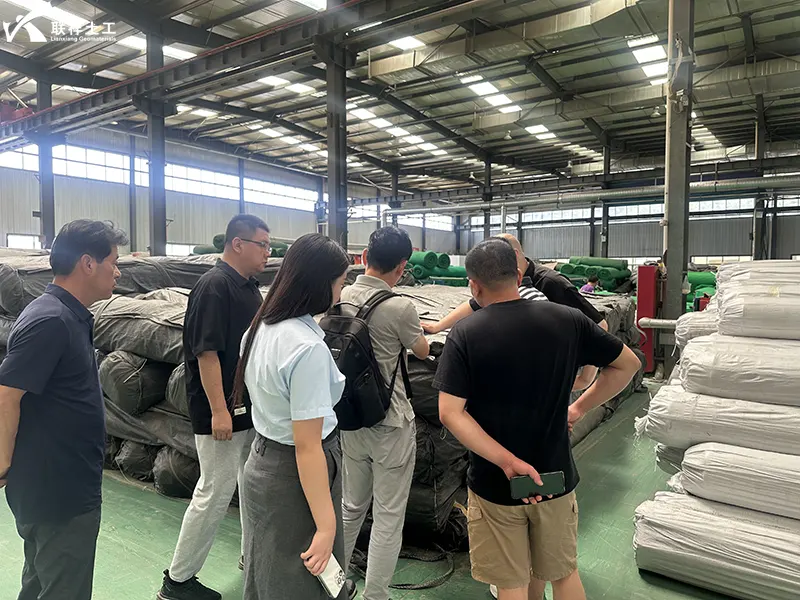
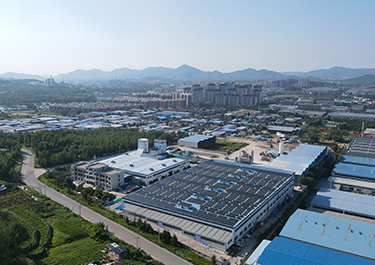 Our FactoryWe have a team of more than 30 talented geotechnical material R&D experts and a 30,000 square meter advanced modern intelligent manufacturing plant.
 - Products
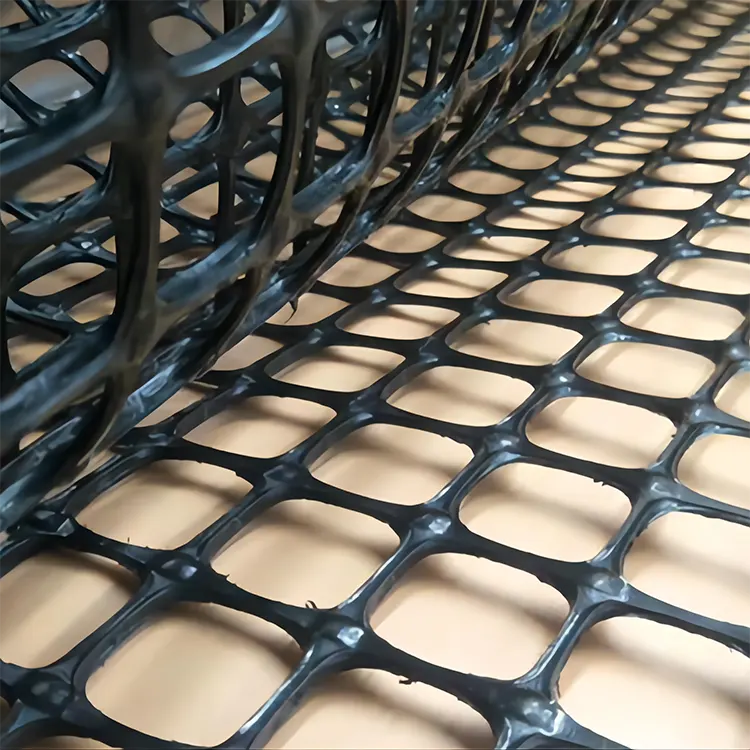
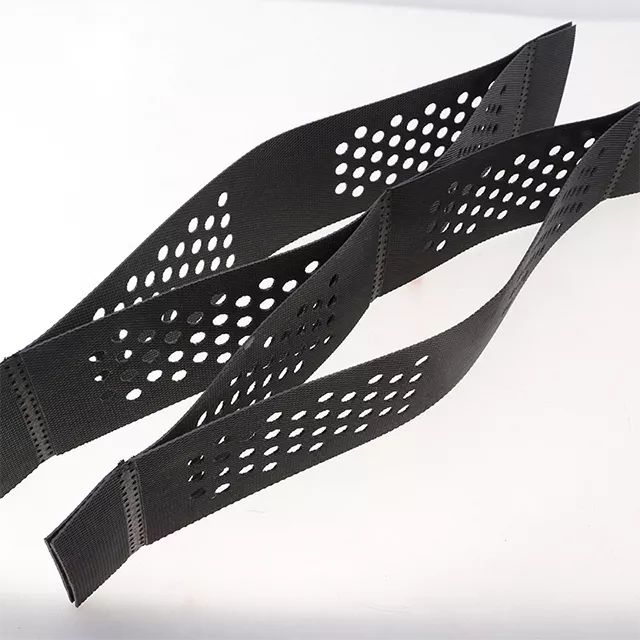 Geocell is a three-dimensional mesh structure made of high-strength polymer sheets (such as HDPE, PP, etc.) through ultrasonic welding. When unfolded, it presents a three-dimensional grid shape.
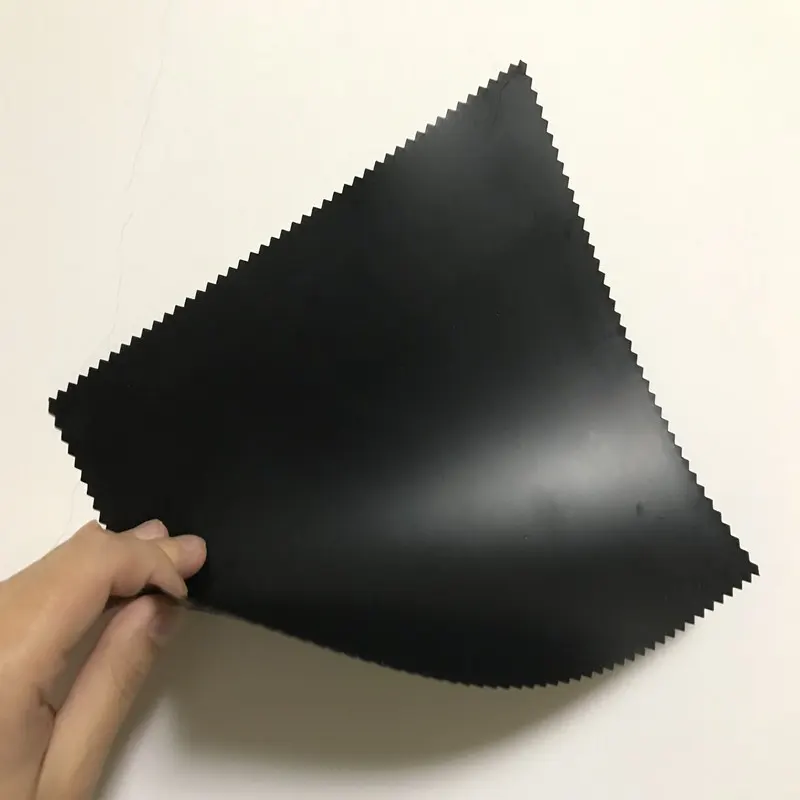 Geomembrane is a thin, extremely low-permeability sheet material made from high-molecular-weight polymers (high-density polyethylene, linear low-density polyethylene).
 - Blog
- Contacts
The 5 Key Construction Details in Geotextile Seaming


Geotextile seaming is a crucial step in geotextile installation. The quality of the seams directly determines the overall tensile strength, filtration, and seepage prevention capabilities. Improper seaming can easily lead to cracking, soil leakage, and insufficient strength. To strictly adhere to current construction standards and control construction quality, and considering site conditions and technical parameters, the following five key construction details requiring careful management of geotextile seaming operations are outlined for on-site personnel's reference.
1. What is Geotextile?
1.1. Basic Definition
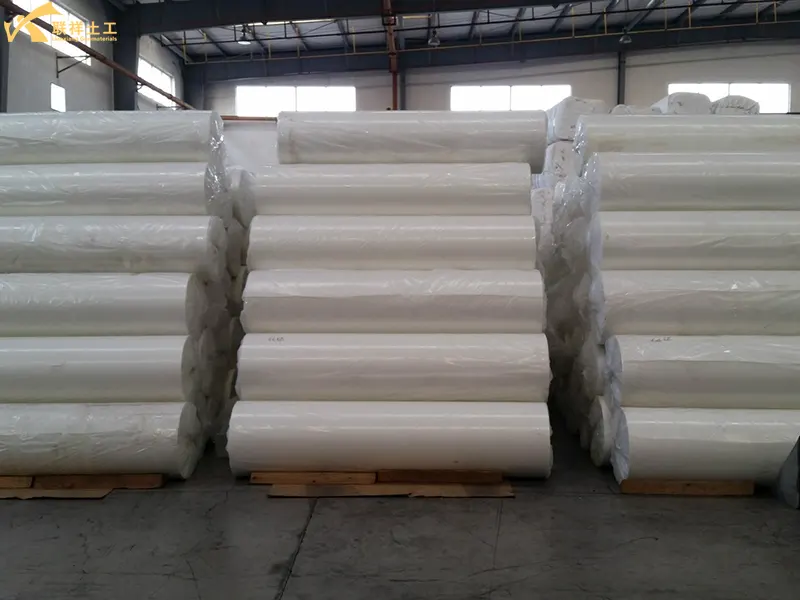
Geotextile, also known as geotextile fabric, is a permeable, flexible geosynthetic material made from synthetic fibers (polyester, polypropylene, etc.) through weaving, needle punching, and thermal bonding processes. It resembles thick non-woven fabric/linen in appearance and is widely used in geotechnical engineering projects such as roadbeds, dams, river channels, slopes, seepage prevention, and drainage.
1.2. Two Main Types
- Needle-punched nonwoven geotextile: Made of irregularly entangled fibers, it offers good permeability, filtration, reinforcement, and protection capabilities, making it the first choice for roads, water conservancy, and soft soil foundation treatment.
- Woven/woven geotextile: Woven with warp and weft threads, it boasts high tensile strength and is widely used for high-strength reinforcement, embankments, and cofferdams.
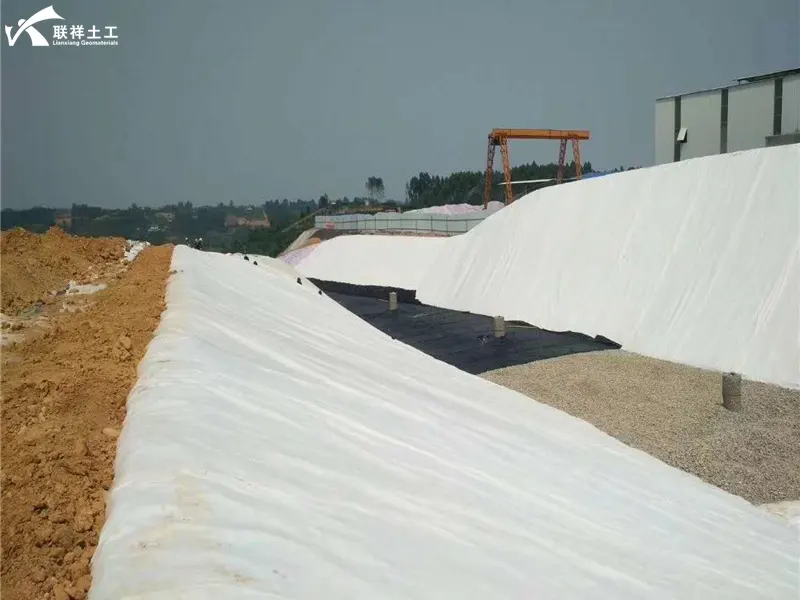
2. Standard Operating Procedures for Geotextile Sealing
2.1. Pre-construction Preparation
- Base Surface Cleaning: Remove stones, sharp objects, and tree roots from the base surface. Ensure the surface is flat and free of protrusions to prevent punctures to the geotextile.
- Fabric Laying: Lay the geotextile smoothly and taut, without wrinkles or slack; for slopes, lay from bottom to top.
- Overlap Alignment: Align the two fabric strips properly, strictly controlling the overlap width: ≥150mm for standard applications, 200~300mm for seepage prevention areas, and ≥300mm for soft soil foundations/high slopes; the seam distance from the fabric edge should be ≥25mm.
- Temporary Fixation: Use U-shaped nails to temporarily fix the overlap every 2-3 meters to prevent fabric shifting during sewing.
- Machinery and Thread Inspection: Use an industrial sewing machine, threaded with high-strength polyester filament thread (≥1100 dtex, breaking strength ≥60N), and adjust the stitch length.
2.2. Formal Sewing Operation
- Adjusting Stitch Length and Thread Type: Stitch length 8-12mm for regular areas, 6-8mm for high-stress areas. Use double-thread lockstitch; single-thread chain stitch is prohibited.
- Starting Stitch: Start stitching at the overlap end, backstitch 3-5 stitches for reinforcement, then sew along a straight line at a uniform speed; sew 1-2 stitches for each main seam.
- Moving Operation: The sewing machine moves forward at a uniform speed, keeping the thread straight, and avoiding skipped stitches, missed stitches, and thread breaks throughout the process; the thread direction should be perpendicular to the main stress direction.
- Staggered Seam Control: The seams of adjacent fabrics should be staggered by ≥500mm; continuous seams are strictly prohibited.
- Handling of Intermediate Joints: If the thread breaks midway, backstitch 5-8 stitches and then continue sewing. Do not directly overlap the seam.
2.3. End Finishing and Local Repairs
- End Finishing Reinforcement: When sewing to the end, backstitch 3-5 stitches in the opposite direction, cut the thread end, leaving a ≥20mm thread tail, and heat-sew to prevent fraying.
- Damage/Defect Repair: If fabric damage or excessively large needle holes are found, cut a patch of the same material, extending the patch ≥200mm beyond the damaged edge, and reinforce it by fully sewing around the edges.
- Corner/Special Area Treatment: Avoid long seams at corners and abrupt changes in cross-section. If sewing is necessary, increase the stitch density and add a reinforcing stitch.
2.4. Finishing and Finished Product Protection
- Removal of Temporary Fixtures: After sewing, remove the U-shaped nails and check the fabric for holes and scratches.
- Time-Limited Covering: After the geotextile seams pass inspection, cover the area with soil and filler within 30 minutes to prevent UV aging.
- Sampling Inspection: Take 1m samples from the joints every 50m for tensile testing. The joint strength must be ≥80% of the parent material (≥85% for hydraulic engineering projects).
- Overall Re-inspection: Thoroughly inspect all joint dimensions, stitching, and appearance. Any substandard sections must be reworked and re-sewn.
3. Five Key Construction Details for Geotextile Seaming
3.1. Overlap Size Control
- Standard Site Overlap Width: ≥150mm
- Water Conservancy, Seepage Prevention, and Water-Adjacent Areas: 200~300mm
- Soft Soil Foundation, High Slope, Heavy-Load Road Sections: ≥300mm
- Seam Distance from Fabric Edge: ≥25mm
- Dimensional Deviation: Only allow for larger deviations; strictly prohibit deviations below design values.
3.2. Stitch Length, Line Type, and Finishing Technique
- Standard Stitch Length: 8~12mm, 10mm is generally used for engineering applications
- High Stress, Important Structural Parts: 6~8mm
- Line Type Requirements: Double-thread lockstitch is mandatory; single-thread chain stitch is prohibited.
- Starting and Finishing Stitch Positions: Backstitch 3~5 stitches in the opposite direction, leave ≥20mm of thread end, use heat-fused lockstitch to prevent detachment.
- Single Main Seam: 1~2 stitches.
3.3. Technical Specifications of Sewing Thread
- Material: High-strength polyester filament sewing thread, resistant to acids and alkalis, and UV radiation
- Single thread breaking strength: ≥60N
- Linear density: ≥1100dtex
- Knot breaking strength: ≥50N
- Anti-aging grade: Not lower than the standard of the geotextile itself
3.4. Laying and Seam Arrangement Requirements
- Sewing direction: The seam is perpendicular to the main stress direction.
- Staggered distance between seams of adjacent geotextile sheets: ≥500mm, straight seams are strictly prohibited.
- Slope construction: Lay from bottom to top, horizontal seams are more than 5m away from the slope toe.
- Long seams are prohibited at corners, abrupt changes in cross-section, and stress concentration areas.
3.5. Quality Control and Repair Standards
- Joint Tensile Strength: Not less than 80% of the strength of the geotextile parent material; ≥85% for hydraulic engineering projects.
- Sampling Inspection: Take a 1m sample every 50m for strength testing.
- Appearance Defects: Skipped stitches, missing stitches, and broken threads are strictly prohibited. If any defects are found, the entire section must be reworked and re-sewn.
- Damage Repair: Patches should cover the damaged area with an outer edge ≥200mm, and the surrounding area should be fully reinforced.
- Exposure Time Limit: After the geotextile is laid, cover it with soil within 30 minutes to avoid UV exposure.
4. Five Core Functions
- Filtration: Allows water to pass through while blocking the loss of silt and soil particles, preventing piping.
- Drainage: Collects and drains groundwater using the internal pores of the fabric, reducing soil water pressure.
- Isolation: Separates different soil types/materials (e.g., subgrade soil and gravel, new and old pavement), preventing mixing.
- Reinforcement: Enhances the overall tensile and crack resistance of the soil, improving the stability of the subgrade and slopes. Protection: Reduces the damage caused by water flow, waves, and soil friction to the base surface/impermeable layer, preventing punctures and erosion.
5. Core Principles of Geotextile Filtration
- Pore Screening (Main Function): The equivalent pore size of the geotextile is smaller than the surrounding soil particle size. Large soil particles are intercepted on the fabric surface, while fine particles gradually form a natural filter layer on the surface, further preventing the loss of deeper soil particles. Water, however, passes through the fiber gaps.
- Fiber Adsorption: The surface of the synthetic fibers has minute adhesion forces that can adhere to some fine soil particles, reducing particle migration with water flow.
- Turbulent Flow Restriction: When water flows through the chaotic fiber network, the flow velocity slows down and the flow direction becomes turbulent. Soil particles settle due to gravity and cannot be carried away by the water flow.
6. Engineering Supporting Technical Specifications
The filtration effect is controlled by pore size and permeability coefficient, which also serve as the basis for material selection:
- Equivalent Pore Size: This refers to the pore size that can block 95% of soil particles. The general requirement is that the equivalent pore size of the geotextile should be less than the characteristic particle size of the protected soil, typically ranging from 0.07 to 0.20 mm, selected based on soil type.
- Permeability Coefficient: This must be greater than the soil permeability coefficient to ensure smooth drainage. Conventional geotextiles have a permeability coefficient ≥1×10⁻³ cm/s, significantly higher than ordinary soil, preventing water accumulation and backlog.
7. Tensile Strength Data for Geotextiles of Different Weights
- 100 g/m2: ≥6.5
- 150 g/m2: ≥10.0
- 200 g/m2: ≥16.0
- 300 g/m2: ≥21.0
- 400 g/m2: ≥30.0
- 500 g/m2: ≥37.5
- 600 g/m2: ≥45.0
- 800 g/m2: ≥56.0
- 1000 g/m2: ≥65.0
8. Conclusion
Five key points need to be controlled during geotextile stitching construction: First, control the overlap width according to the working conditions; the distance between the seam and the edge of the fabric should not be less than... The five key details are: 1.Using a 25mm thread thickness; 2.Double-thread lockstitching with standardized stitch spacing and reinforcement at the beginning and end of stitches; 3.Selecting high-strength polyester thread to ensure strength and aging resistance; 4.Seaming perpendicular to the main stress direction, with adjacent seams staggered by at least 50cm; 5.Randomly checking seam strength after completion, promptly repairing defects, and covering and protecting the geotextile within half an hour of installation to prevent material aging and damage.
These five details are crucial for ensuring stitching quality. The process and parameters must not be arbitrarily changed during construction. After all stitching work is completed, a comprehensive inspection of seams, thread ends, and damage must be conducted, and quality acceptance must be completed simultaneously. At the same time, the finished product must be protected to prevent sun exposure and external damage to the geotextile. Strictly controlling every stage of construction is essential to effectively avoid quality problems and meet the project's requirements.
Written by
SHANDONG LIANXIANG ENGINEERING MATERIALS CO., LTD.
Kyle Fan
WhatsApp:+86 139 5480 7766
Email:admin@lianxiangcn.com
-
WhatsApp
-
E-MailE-Mail:admin@lianxiangcn.com
-
WeChatWeChat:18554180188