
- Home
- Company
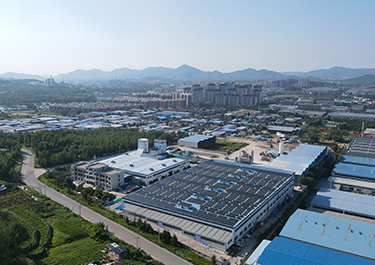 Our FactoryWe have a team of more than 30 talented geotechnical material R&D experts and a 30,000 square meter advanced modern intelligent manufacturing plant.
 - Products
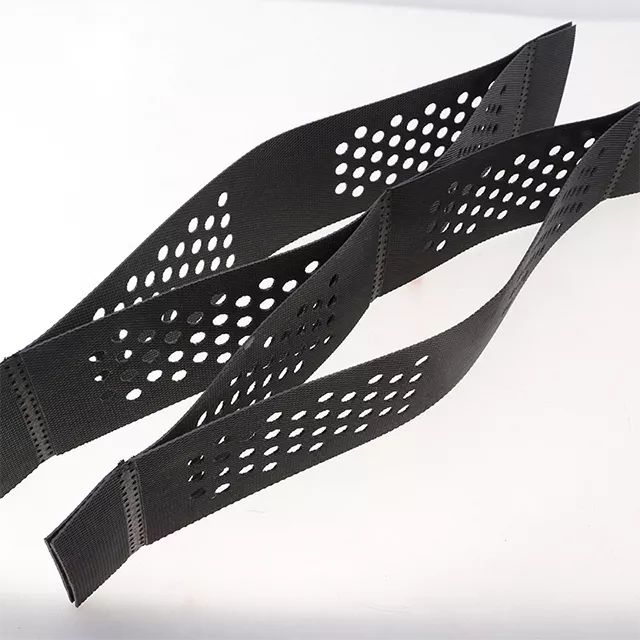 Geocell is a three-dimensional mesh structure made of high-strength polymer sheets (such as HDPE, PP, etc.) through ultrasonic welding. When unfolded, it presents a three-dimensional grid shape.
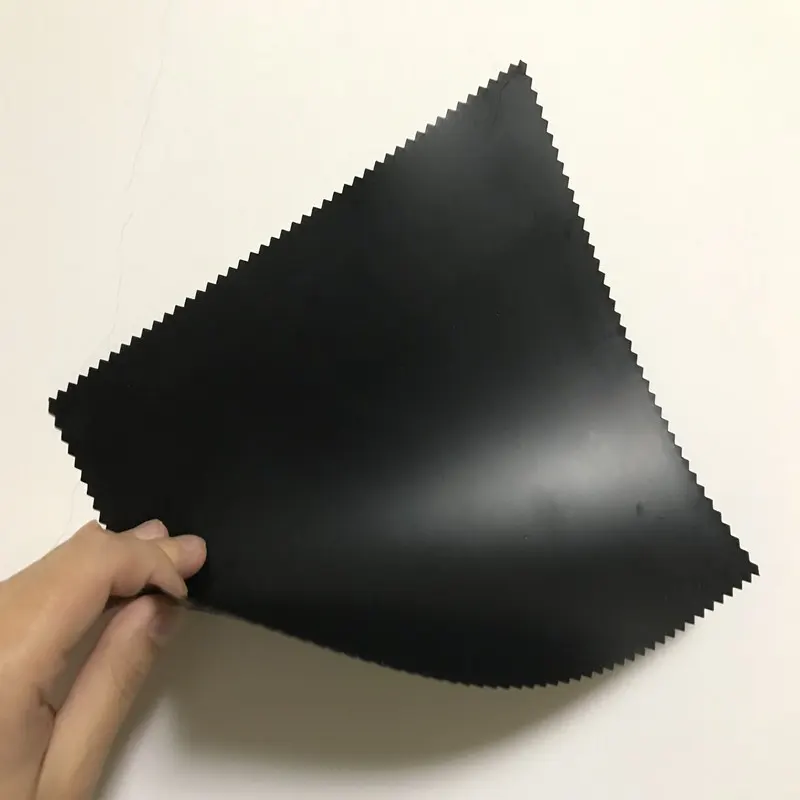 Geomembrane is a thin, extremely low-permeability sheet material made from high-molecular-weight polymers (high-density polyethylene, linear low-density polyethylene).
 - Blog
- Contacts
Seven Core Quality Inspection Items for Short-Fiber Geotextiles


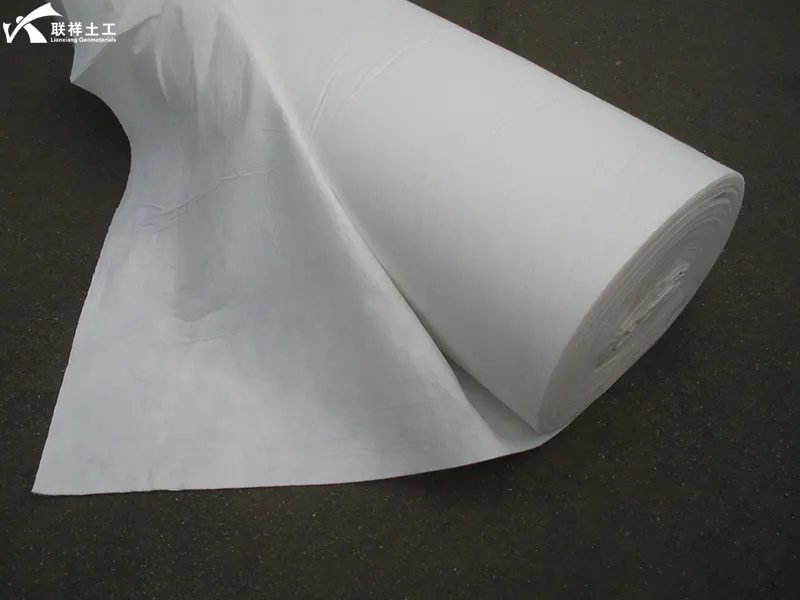
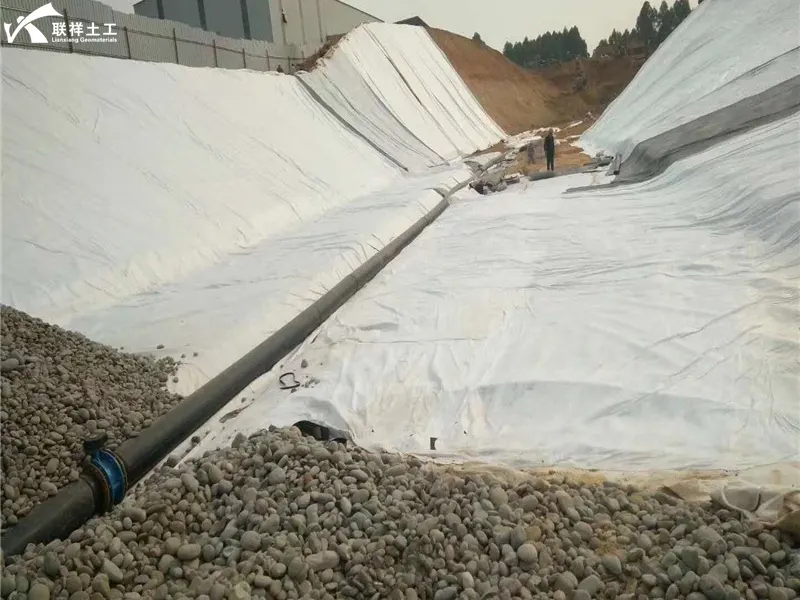
Short-fiber needle-punched nonwoven geotextiles are widely used in geotechnical engineering projects such as roadbeds, embankment slope protection, river management, seepage prevention and drainage, and site backfilling. They primarily serve core functions such as filtration, drainage, isolation, reinforcement, and protection. Their product quality directly affects the stability of the engineering structure, the effectiveness of seepage prevention and drainage, and its long service life. To strictly control product quality and ensure that incoming materials meet national standards and engineering design requirements, seven core quality inspection items must be conducted on short-fiber geotextiles according to relevant national standards. This comprehensively verifies the material's physical, mechanical, and hydraulic properties, preventing unqualified materials from being used on the construction site and ensuring the quality of construction and operational safety from the source.
1. Unit Area Mass:
This refers to the weight of geotextile per square meter, measured in g/m². It directly determines the amount of raw materials used and the foundation strength, and is the primary indicator for grading. Deviations exceeding the standard will lead to insufficient overall performance.
1.1. Testing Instruments
- Balance: Accuracy 0.001g;
- Standard sampler: 100cm² (10cm×10cm) circular/square cutter;
- Constant temperature and humidity chamber;
- Ruler, scissors, brush.
1.2. Sample Conditioning and Pretreatment
- Environmental conditions: Temperature (20±2)℃, relative humidity (65±4)%;
- Allow samples to stand for at least 24 hours until they reach constant weight, eliminating the influence of moisture on weight.
1.3. Sampling Rules
- Randomly select 5 samples from each roll of geotextile;
- Avoid sampling within 1m of the fabric edge, damaged areas, wrinkled areas, and areas with uneven thickness;
- Standard area of a single sample: 100 cm².
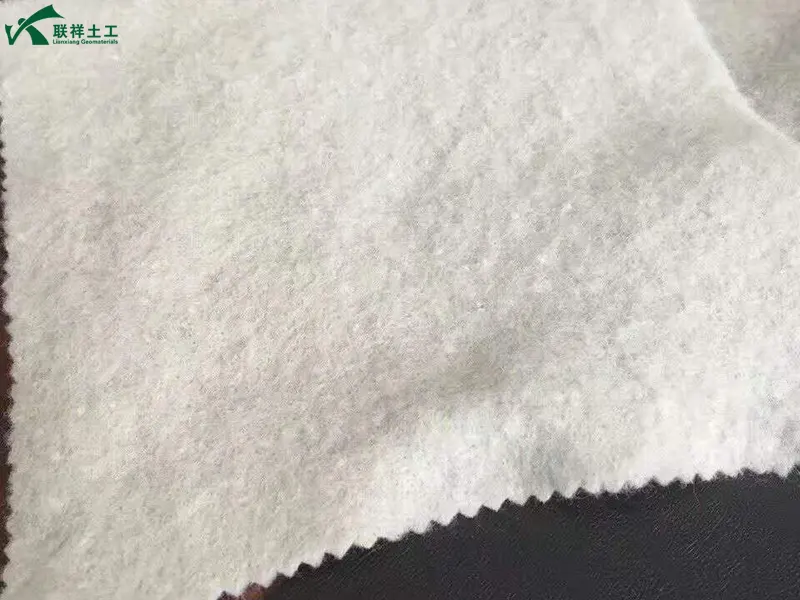
1.4. Operating Procedures
- Cut 5 samples evenly with a standard cutter, ensuring no burrs or missing corners at the edges;
- Clean the surface of the samples, removing any loose fibers or impurities;
- Zero the balance and weigh each sample sequentially, recording the weight of each sample (accurate to 0.001g);
- Convert the weight per square meter to grams per sample: Mass per unit area (g/㎡) = Sample mass (g) ÷ Sample area (㎡), Sample area 100cm² = 0.01㎡, simplified formula: Weight per sample ÷ 0.01
- Calculate the average value of the 5 samples as the measured mass per unit area of the geotextile roll;
- Simultaneously calculate the range and coefficient of variation, and determine whether it is qualified by comparing it with the standard allowable deviation.
1.5. Result Judgment
- Superior Grade: ±5%;
- First Grade: ±8%;
- Qualified Grade: ±10%; A measured average value exceeding the range is considered unqualified.
1.6. Precautions
- Keep the fabric surface flat during cutting; do not stretch or compress.
- Geotextiles stored in damp conditions or outdoors must be fully conditioned before testing.
- Calibrate the balance before use and avoid airflow interference during weighing.
- If the sample thickness is uneven, the number of samples can be increased appropriately to reduce error.
2. Tensile Strength and Elongation at Break
2.1. Test Equipment
- Universal testing machine (tensile tester): capable of recording tensile force and displacement, adjustable speed, force measurement accuracy ≤ ±1%;
- Wide strip specimen clamp, clamping width 200mm;
- Constant temperature and humidity chamber, steel ruler, specimen cutter.
2.2. Specimen Conditioning Pretreatment
Environment: Temperature (20±2)℃, relative humidity (65±4)%, place for more than 24 hours to reach constant humidity.
2.3. Sample Preparation
- Sample Size: Width 200mm, length at least 100mm + clamping length, commonly 300mm total length;
- Cut 5 pieces each in the longitudinal and transverse directions;
- Avoid sampling areas within 1m of the fabric edge, wrinkles, tears, or areas of abnormal thickness; cut without burrs or stretching the fabric.
- Mark the sample in the longitudinal/transverse direction to distinguish between warp and weft.
2.4. Test Procedure
- Set the testing machine parameters: Initial clamp spacing 100mm; tensile speed 50mm/min;
- Clamp the sample: Place the sample flat in the upper and lower clamps, ensuring the fabric surface is free of twisting or skewing, and clamp firmly without slippage;
- Start the tensile test. The equipment automatically records: maximum tensile force, elongation at break, and calculates the elongation at break.
- Stop the test after the sample completely breaks, and repeat the test with the next sample; measure 5 data points each in the longitudinal and transverse directions.
2.5. Calculation Formulas
2.5.1. Fracture Strength Conversion (kN/m)
- F = Fmax/0.2
- Fmax: Maximum fracture force of the specimen (kN); 0.2 is the specimen width 200mm = 0.2m
2.5.2. Elongation at Fracture
- Elongation at Fracture = (L1-L0)/L0
- (L0): Initial clamp spacing 100mm; (L1): Clamp spacing at fracture
2.6. Data Processing
- Calculate the average fracture strength and average elongation at fracture for 5 longitudinal groups and 5 transverse groups respectively;
- Remove outlier discrete data and calculate the coefficient of variation;
- Determine whether the data meets the design/national standard requirements.
3. CBR Bursting Strength
3.1. Testing Principle
The test simulates concentrated jacking stress on the geotextile structure caused by gravel and hard objects in the roadbed and backfill. A standard steel jack is used to vertically press the sample fixed in a ring clamp until the fabric is punctured. The maximum load recorded is the CBR bursting strength (unit: kN), evaluating the material's resistance to localized crushing failure.
3.2. Testing Equipment
- Universal testing machine (0/1 grade accuracy, capable of simultaneously recording force and displacement)
- CBR-specific top compression rod: steel cylinder with a diameter of 50±0.5mm, and a chamfered edge R=2.5mm at the top
- Circular clamp: inner ring diameter 150±0.5mm, upper and lower rings clamp and fix the specimen
- Constant temperature and humidity chamber, circular specimen cutter, brush
3.3. Specimen conditioning and pretreatment
- Standard atmospheric environment: temperature (20±2)℃, relative humidity (65±4)%
- Specimens should be allowed to stand for ≥24 hours to conditioned, weighed at 2-hour intervals. The mass change should be ≤0.1% before testing to eliminate the influence of moisture on strength.
3.4. Sampling and Sample Preparation
- Randomly cut 5 circular samples from each roll, with a diameter ≥ 300mm;
- Avoid areas with fabric edges within 1m, wrinkles, holes, and uneven thickness;
- The fabric surface should be flat, without stretching or burrs, and there should be no significant difference between the front and back sides; directional testing is not required.
3.5. Complete Operating Procedures
- Equipment Calibration: Zero the testing machine force value, ensuring the range covers the peak force (peak force falls within 10%~90% of the full scale).
- Sample Clamping: Lay the sample flat between the upper and lower clamping rings, tighten evenly, ensuring the fabric surface is free of slack, wrinkles, and pre-stretching.
- Pre-tensioning: Gently touch the sample with the rising rod, applying a 20N pre-tension, and return the displacement to zero.
- Setting the Pressing Speed: 50±5mm/min for uniform upward pressing.
- Continuing loading until the geotextile is completely punctured and the force value drops significantly, recording the maximum peak force (CBR puncture strength) throughout the process.
- Replace the sample and repeat the test 5 times, discarding invalid data due to slippage or edge tearing.
4. Equivalent Aperture O95
4.1. Definition
- O95: 95% of the mass of standard sand particles can pass through the geotextile, with only 5% of sand particles being retained; the corresponding sieve aperture diameter, in mm.
- Engineering Function: Controlling reverse filtration to prevent roadbed soil erosion while ensuring permeability; these are core indicators for seepage prevention, river channels, and roadbeds.
4.2. Testing Instruments
- Standard vibrating sieve machine;
- A set of standard granular sand (graded spherical silica sand);
- Test sieves and matching clamping devices;
- Electronic balance (accuracy 0.01g);
- Constant temperature and humidity chamber, circular sample cutter.
4.3. Sample Conditioning and Pretreatment
Temperature and humidity: (20±2)℃, RH (65±4)%, conditioning for at least 24 hours.
4.4. Sample Preparation
- Circular samples, diameter not less than the inner diameter of the sieve frame, 3 samples per batch;
- Avoid fabric edges, damaged areas, and wrinkles; the fabric surface should not be stretched.
4.5. Test Procedure (Dry Sieving Method)
- Take 50g of standard sand of a specific particle size and weigh it, recording the weight as m0;
- Secure the geotextile flat at the bottom of the sieve, ensuring it is wrinkle-free and tension-free;
- Pour all the sand particles onto the geotextile surface and turn on the vibrating sieve;
- Vibrate for 10 minutes, maintaining the vibration frequency and amplitude according to national standards;
- Collect the sand that has not passed through the geotextile and weigh it as m1;
- Repeat the test with standard sand of different particle sizes to find the sand particle size with a retention rate ≈ 5%, which is O95.
4.6. Result Judgment Logic
- Larger sand particle size: Sand retention > 5%;
- Smaller sand particle size: Sand retention < 5%; Accurate O95 value is calculated through interpolation.
5. Vertical Permeability Coefficient
- The permeability (cm/s) of water flowing vertically through the fabric.
- Significance: A core indicator for drainage and reverse filtration projects, ensuring smooth water flow and preventing blockages.
6. Tear Strength
- The unidirectional tearing force of a trapezoidal specimen, divided into longitudinal and transverse directions.
- Significance: Resistant to localized tearing at notches and corners, preventing damage during construction and laying.
7. Dynamic Perforation (Falling Cone Perforation)
- Standard steel cone free-fall puncture test.
- Significance: Simulates the impact conditions of falling gravel and hard objects in backfill, evaluating the impact resistance of on-site construction.
In summary, the seven testing items for short-fiber geotextiles cover basic physical properties, tensile and puncture resistance mechanical properties, and permeability and filtration hydraulic properties, forming a complete testing system for evaluating product quality. Among these, basic physical properties determine the compliance of material specifications, mechanical properties ensure the structural integrity of the geotextile under construction compaction, soil settlement, and aggregate extrusion impact conditions, and hydraulic properties directly determine the effectiveness of filtration, drainage, and anti-clogging in engineering projects. These seven indicators complement each other, comprehensively reflecting the overall performance of short-fiber geotextiles. Only after all items pass the tests can the product be determined to meet engineering standards, effectively adapt to various complex geotechnical engineering conditions, fully utilize its functions of isolation, reinforcement, drainage, and protection, and provide reliable material support for stable project quality and long-term safe operation.
Written by
SHANDONG LIANXIANG ENGINEERING MATERIALS CO., LTD.
Kyle Fan
WhatsApp:+86 139 5480 7766
Email:admin@lianxiangcn.com
-
WhatsApp
-
E-MailE-Mail:admin@lianxiangcn.com
-
WeChatWeChat:18554180188