
- Home
- Company
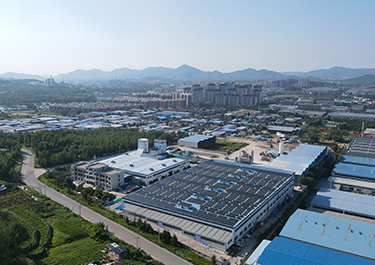 Our FactoryWe have a team of more than 30 talented geotechnical material R&D experts and a 30,000 square meter advanced modern intelligent manufacturing plant.
 - Products
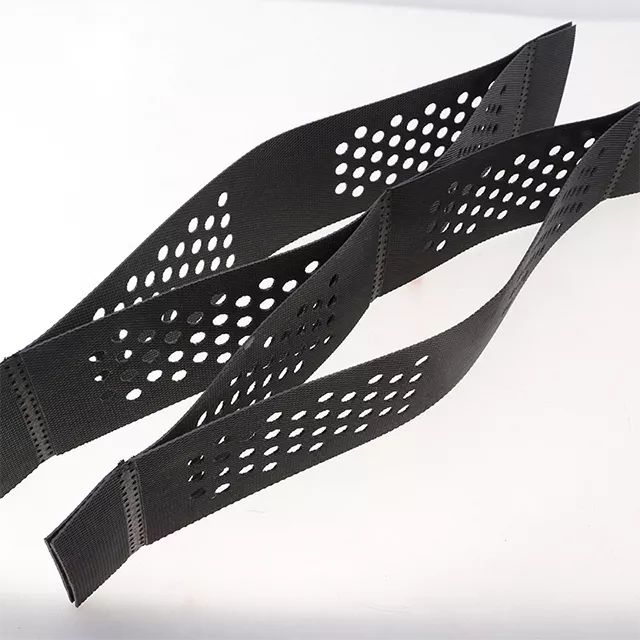 Geocell is a three-dimensional mesh structure made of high-strength polymer sheets (such as HDPE, PP, etc.) through ultrasonic welding. When unfolded, it presents a three-dimensional grid shape.
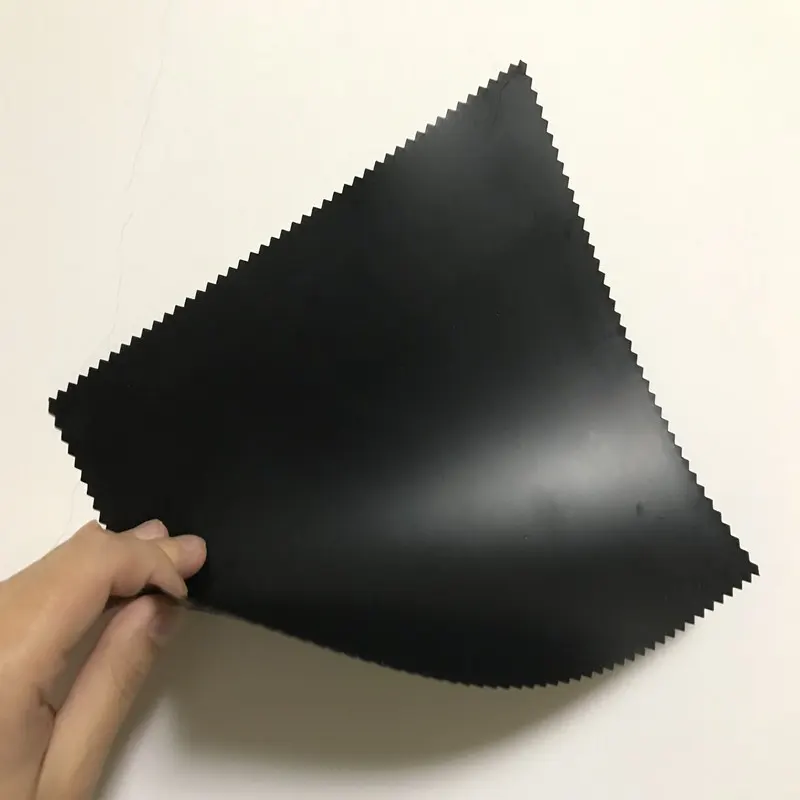 Geomembrane is a thin, extremely low-permeability sheet material made from high-molecular-weight polymers (high-density polyethylene, linear low-density polyethylene).
 - Blog
- Contacts
Short Fiber vs Long Fiber Geotextile: Top 8 Performance Tips


In the world of nonwoven geotextiles, two materials dominate civil engineering applications: short fiber geotextile (also known as staple fiber geotextile) and long fiber geotextile (also known as filament geotextile). Both are manufactured from synthetic polymers—typically polypropylene or polyester—and both serve essential functions in separation, filtration, drainage, reinforcement, and protection.
But they are not interchangeable. The difference in fiber length—and the manufacturing processes that accompany it—creates distinct performance profiles that directly affect project outcomes. Choosing the wrong type can lead to inadequate filtration, premature clogging, structural failure, or unnecessary project costs.
This guide provides the top 8 performance tips to help engineers, contractors, and procurement professionals select the right short fiber geotextile or long fiber geotextile for their specific civil engineering application. Each tip includes comparative data and clear application guidance.

Tip 1: Understand the Manufacturing Difference – Staple vs Filament
The fundamental distinction between a short fiber geotextile and a long fiber geotextile lies in the raw material and manufacturing process.
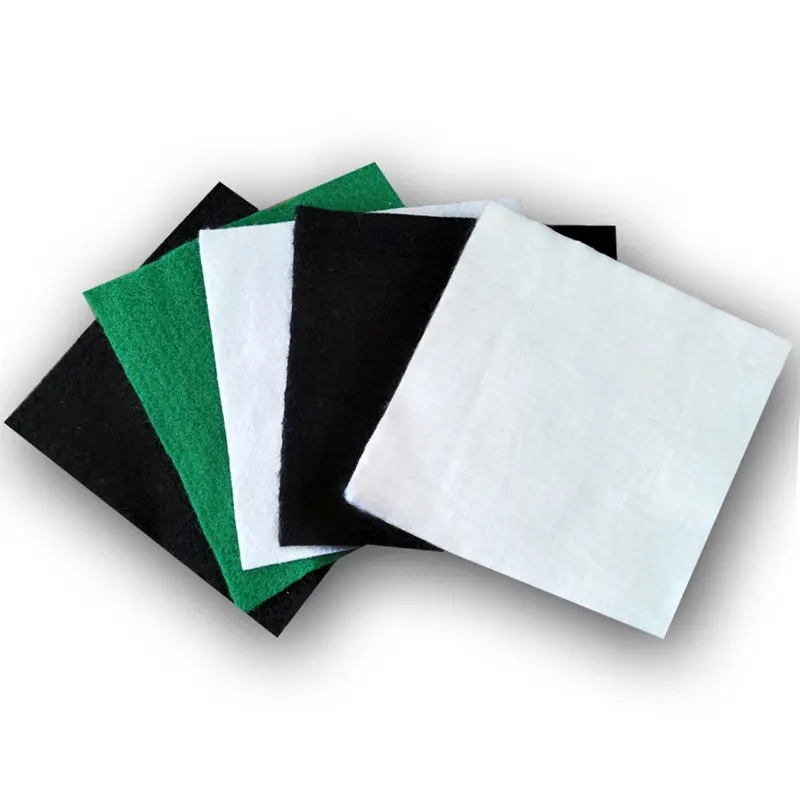
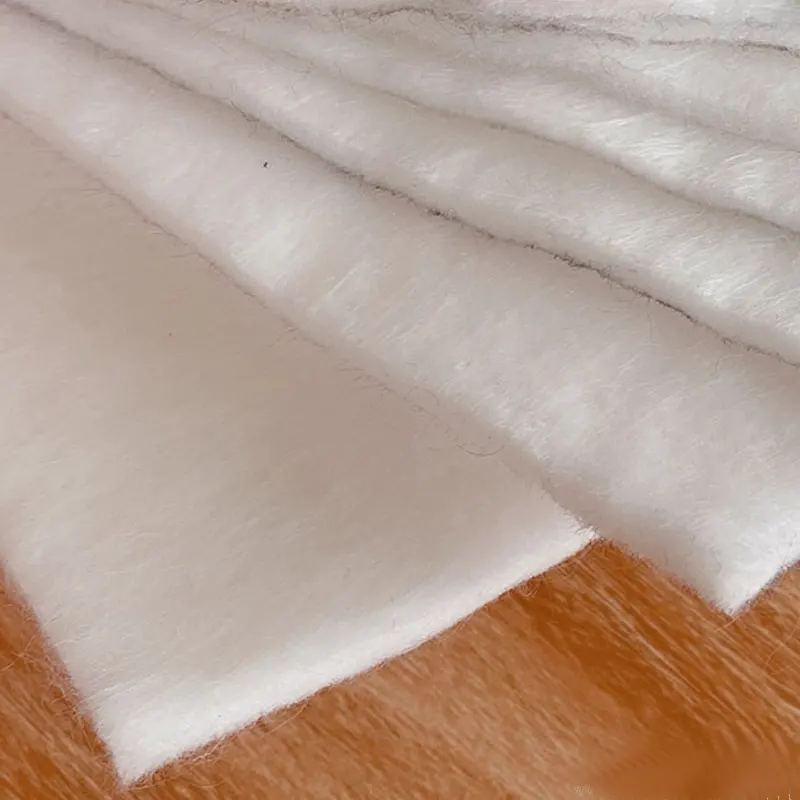
Short fiber geotextile is manufactured from staple fibers—short, discrete strands of polypropylene or polyester typically measuring 38–65mm in length. These fibers are carded, cross-lapped, and mechanically needled together to form a nonwoven fabric. The random orientation of short fibers creates a dense, felt-like structure.
Long fiber geotextile is manufactured from continuous filament fibers—essentially endless strands of polymer that are extruded, drawn, and laid down in a random pattern before being needle-punched or thermally bonded. The continuous nature of the filaments creates a fabric with higher strength and more uniform properties.
| Property | Short Fiber Geotextile | Long Fiber Geotextile |
|---|---|---|
| Raw material | Staple fibers (38–65mm) | Continuous filaments |
| Manufacturing | Carding + needle-punching | Spinning + drawing + needle-punching |
| Fiber orientation | Random, short strands | Random, continuous strands |
| Structure | Dense felt-like | Uniform, high-tensile felt-like |
| Typical weight range | 100–800 g/m² | 100–1,000 g/m² |
Key takeaway: A short fiber geotextile is made from discrete staple fibers. A long fiber geotextile is made from continuous filaments. This fundamental difference drives every performance distinction that follows.
Tip 2: Compare Tensile Strength & Elongation
Tensile strength is a primary performance indicator for any geotextile—and it is where long fiber geotextile holds a significant advantage over short fiber geotextile.
Short fiber geotextile tensile performance:
- Lower tensile strength due to discrete fiber lengths
- Typical tensile strength: 5–30 kN/m depending on weight
- Elongation at break: 40–70%
- Fiber slippage can occur under high load
Long fiber geotextile tensile performance:
- Higher tensile strength due to continuous filament structure
- Typical tensile strength: 10–60 kN/m depending on weight
- Elongation at break: 50–80%
- Continuous filaments distribute load more evenly
| Parameter | Short Fiber Geotextile | Long Fiber Geotextile |
|---|---|---|
| Tensile strength (typical) | 5–30 kN/m | 10–60 kN/m |
| Elongation at break | 40–70% | 50–80% |
| Load distribution | Moderate | Excellent |
| Fiber slippage risk | Higher | Lower |
Why this matters for project selection: For projects requiring higher tensile strength—such as reinforcement applications, steep slope stabilization, or heavy-load separation—a long fiber geotextile delivers superior performance. For light-duty separation and filtration where moderate strength is sufficient, a short fiber geotextile may be adequate and more cost-effective.

Tip 3: Evaluate Permeability & Filtration Performance
Permeability and filtration are critical functions for any geotextile—and both short fiber geotextile and long fiber geotextile perform well in these areas, though with subtle differences.
Short fiber geotextile filtration performance:
- Dense, felt-like structure provides excellent soil retention
- High porosity allows water to pass through freely
- Good clogging resistance due to random fiber orientation
- Permeability coefficient: typically 10-2 to 10-3 cm/s
Long fiber geotextile filtration performance:
- Uniform filament structure provides consistent pore size distribution
- Higher flow capacity due to continuous filament network
- Excellent clogging resistance and long-term performance
- Permeability coefficient: typically 10-2 to 10-3 cm/s
| Parameter | Short Fiber Geotextile | Long Fiber Geotextile |
|---|---|---|
| Permeability coefficient | 10-2 to 10-3 cm/s | 10-2 to 10-3 cm/s |
| Soil retention | Excellent | Excellent |
| Clogging resistance | Good | Excellent |
| Pore size uniformity | Moderate | High |
| Long-term flow capacity | Good | Excellent |
Performance data: Both short fiber geotextile and long fiber geotextile meet the filtration requirements of most civil engineering applications. However, the long fiber geotextile offers more consistent pore size distribution and better long-term clogging resistance—making it preferable for critical drainage applications where long-term performance is essential.
Key takeaway: For standard filtration and drainage applications, both types perform well. For critical, long-term drainage systems—such as landfill leachate collection or retaining wall drains—a long fiber geotextile provides superior reliability.
Tip 4: Assess Puncture Resistance & Durability
Puncture resistance and durability are essential for geotextiles used in challenging site conditions—rough subgrades, rocky soils, or construction traffic.
Short fiber geotextile puncture performance:
- Good puncture resistance due to dense fiber structure
- Typical CBR puncture resistance: 1.5–4.0 kN
- Adequate for most standard applications
- Fiber slippage can reduce long-term durability under sustained load
Long fiber geotextile puncture performance:
- Excellent puncture resistance due to continuous filament network
- Typical CBR puncture resistance: 2.0–6.0 kN
- Superior performance in aggressive site conditions
- Continuous filaments resist pull-out and maintain integrity under load
| Parameter | Short Fiber Geotextile | Long Fiber Geotextile |
|---|---|---|
| CBR puncture resistance (typical) | 1.5–4.0 kN | 2.0–6.0 kN |
| Trapezoidal tear resistance | Moderate | High |
| Durability under sustained load | Good | Excellent |
| Installation damage resistance | Moderate | High |
Why this matters for project selection: For projects with rough subgrades, sharp aggregates, or heavy construction traffic—such as mining haul roads, landfill liners, or rockfill slopes—a long fiber geotextile provides superior puncture resistance and durability. For standard road construction and drainage applications with well-prepared subgrades, a short fiber geotextile may be sufficient.
Tip 5: Consider Installation & Handling Differences
Installation and handling characteristics affect both project cost and performance outcomes—and here, short fiber geotextile and long fiber geotextile exhibit notable differences.
Short fiber geotextile handling:
- Slightly softer and more flexible
- Easier to cut and shape on-site
- May require more careful handling to prevent fiber pull-out
- Standard installation equipment and techniques
Long fiber geotextile handling:
- Firmer and more dimensionally stable
- Higher resistance to installation damage
- Less prone to fiber pull-out during handling
- Can be installed with standard equipment
| Installation Factor | Short Fiber Geotextile | Long Fiber Geotextile |
|---|---|---|
| Flexibility | High | Moderate |
| Cutting and shaping | Easy | Standard |
| Damage resistance during installation | Moderate | High |
| Fiber pull-out risk | Higher | Lower |
| Installation speed | Standard | Standard |
Key takeaway: Both types are installed using standard equipment and techniques. However, the long fiber geotextile offers better resistance to installation damage—making it the preferred choice for projects where site conditions are challenging or where installation quality is difficult to control.

Tip 6: Analyze Cost-Performance Ratio
Cost is always a consideration in material selection—but the true cost comparison between a short fiber geotextile and a long fiber geotextile goes beyond the unit price per square meter.
Short fiber geotextile cost profile:
- Lower material cost per m² for equivalent weight
- Cost-effective for large-area, light-duty applications
- Widely available from multiple manufacturers
- Shorter production lead times
Long fiber geotextile cost profile:
- Higher material cost per m² for equivalent weight
- Cost-effective for critical, high-performance applications
- Fewer manufacturers—but higher quality consistency
- Longer production lead times for specialized specifications
| Cost Factor | Short Fiber Geotextile | Long Fiber Geotextile |
|---|---|---|
| Unit material cost | Lower | Higher |
| Performance per dollar | Best for standard applications | Best for critical applications |
| Availability | High | Moderate–High |
| Lifecycle cost | Low when correctly specified | Low when correctly specified |
The bottom line: For standard civil engineering applications—road separation, drainage, filtration—a short fiber geotextile delivers excellent value. For critical applications—landfill liners, mining, steep slope reinforcement—the higher upfront cost of a long fiber geotextile is justified by superior performance, durability, and reduced risk of failure.
Tip 7: Match Fiber Type to Civil Engineering Applications
Different civil engineering projects demand different performance characteristics. Here is a practical application guide:
| Application | Recommended Type | Key Rationale |
|---|---|---|
| Road base separation | Both (Long for heavy loads) | Short: standard roads; Long: highways, heavy traffic |
| Retaining wall drainage | Long Fiber Geotextile | Superior clogging resistance; long-term reliability |
| Landfill liner protection | Long Fiber Geotextile | High puncture resistance; chemical durability |
| French drains | Short Fiber Geotextile | Cost-effective; adequate filtration performance |
| Slope erosion control | Short Fiber Geotextile | Good filtration; cost-effective for large areas |
| Mining haul roads | Long Fiber Geotextile | Superior puncture resistance; heavy load support |
| Reservoir lining | Long Fiber Geotextile | Uniform pore size; long-term filtration reliability |
| Subsurface drainage | Both (Long for critical) | Short: standard drainage; Long: critical systems |
| Geomembrane cushioning | Long Fiber Geotextile | Thicker, more uniform cushioning; puncture protection |
General guidelines:
- Choose short fiber geotextile when: the application is standard, loads are moderate, the subgrade is well-prepared, and cost is a primary driver.
- Choose long fiber geotextile when: the application is critical, loads are heavy, the subgrade is rough or challenging, long-term performance is essential, or the cost of failure is high.
Tip 8: Verify Performance Data & Certifications
The final—and often overlooked—performance tip is to verify that the geotextile you specify actually meets the required performance standards. This applies equally to short fiber geotextile and long fiber geotextile.
Key performance data to request:
| Property | Test Method | Why It Matters |
|---|---|---|
| Tensile strength | ASTM D4595 | Confirms load-bearing capacity |
| Elongation at break | ASTM D4595 | Indicates flexibility and strain compatibility |
| CBR puncture resistance | ASTM D6241 | Confirms resistance to installation damage |
| Trapezoidal tear resistance | ASTM D4533 | Indicates resistance to tearing |
| Permittivity | ASTM D4491 | Confirms water flow capacity |
| Apparent opening size (AOS) | ASTM D4751 | Confirms soil retention capability |
| UV resistance | ASTM D4355 | Confirms durability under sunlight exposure |
Certifications to look for:
- ISO 9001 – Quality management system certification
- CE Marking – Compliance with European standards
- GRI Standards – Where applicable for geosynthetic products
Key takeaway: Request third-party test reports—not just manufacturer claims. A reputable supplier will provide documented performance data for the specific product being supplied, not generic "typical values."
Quick Reference: Short Fiber vs Long Fiber Geotextile Performance Comparison
| # | Performance Factor | Short Fiber Geotextile | Long Fiber Geotextile |
|---|---|---|---|
| 1 | Manufacturing | Staple fibers (38–65mm) | Continuous filaments |
| 2 | Tensile strength | 5–30 kN/m | 10–60 kN/m |
| 3 | Permeability & filtration | Good | Excellent |
| 4 | Puncture resistance | 1.5–4.0 kN | 2.0–6.0 kN |
| 5 | Installation handling | Flexible, standard care | Dimensionally stable, damage-resistant |
| 6 | Cost-performance | Best for standard applications | Best for critical applications |
| 7 | Best application | Standard roads, drains, erosion control | Landfills, mining, critical drainage |
| 8 | Verification | Request ASTM test reports | Request ASTM test reports |

Final Thoughts
Short fiber geotextile and long fiber geotextile are both excellent materials—but they are not interchangeable. The right choice depends on the specific performance requirements of your project.
Remember these core principles:
- Match the material to the function. Don't specify a short fiber geotextile for critical, heavy-load applications—and don't specify a long fiber geotextile where a standard product will perform adequately.
- Consider the full lifecycle. The higher upfront cost of a long fiber geotextile is often justified by superior durability, reduced maintenance, and lower risk of failure.
- Verify performance data. Request third-party test reports for tensile strength, puncture resistance, permeability, and AOS.
- Consult with the manufacturer. A reputable geotextile supplier will ask about your project conditions before making a recommendation—not push a single product for every application.
Whether you are building a highway, stabilizing a slope, protecting a geomembrane, or installing a drainage system, the right geotextile selection can mean the difference between a project that performs for decades and one that requires premature repair.
Lianxiang Group supplies both short fiber geotextiles and long fiber geotextiles, along with geomembranes, geocells, and geogrids for civil and environmental projects worldwide. Our technical team can help you select the right fiber type based on your site conditions, load requirements, and performance goals. Contact us for free samples, technical data sheets, or a customized solution.
Written by
SHANDONG LIANXIANG ENGINEERING MATERIALS CO., LTD.
Kyle Fan
WhatsApp:+86 139 5480 7766
Email:admin@lianxiangcn.com
-
WhatsApp
-
E-MailE-Mail:admin@lianxiangcn.com
-
WeChatWeChat:18554180188