
- Home
- Company
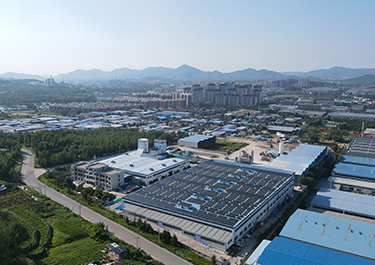 Our FactoryWe have a team of more than 30 talented geotechnical material R&D experts and a 30,000 square meter advanced modern intelligent manufacturing plant.
 - Products
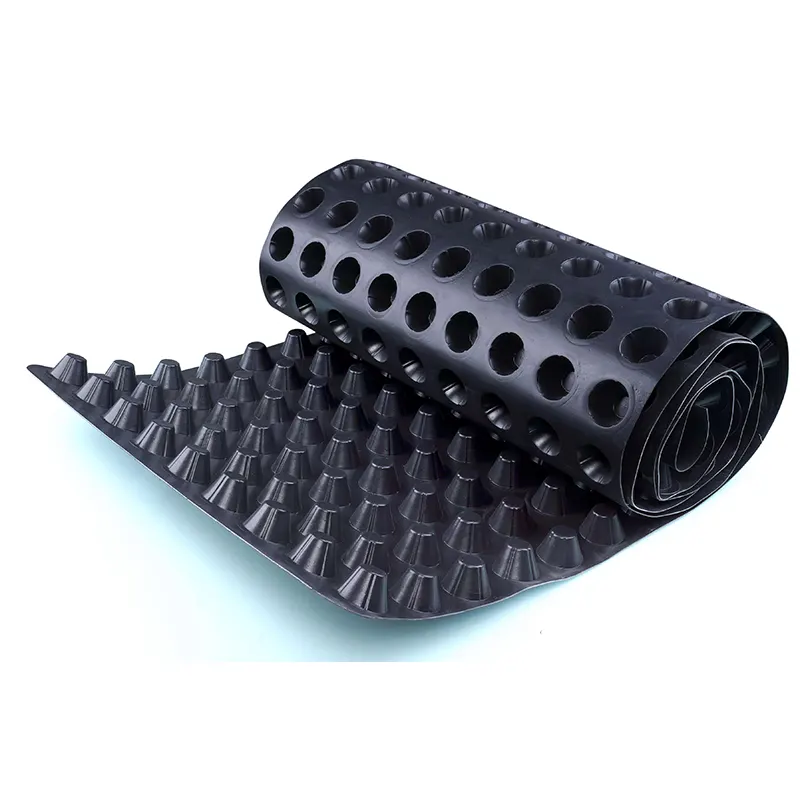
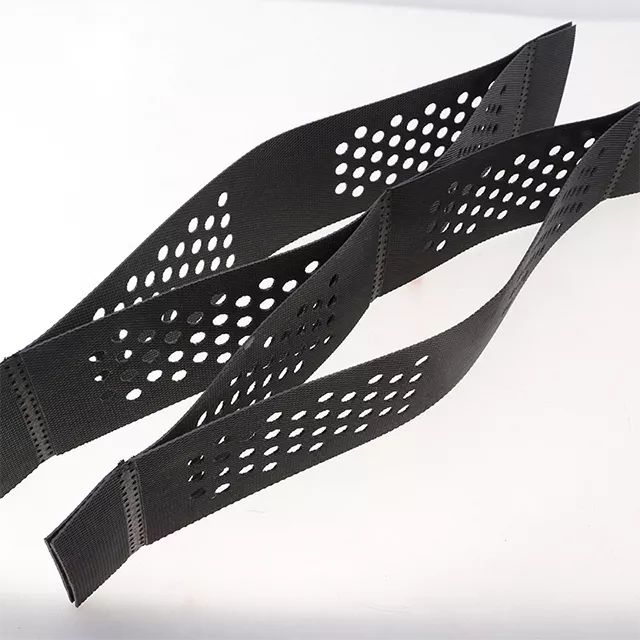 Geocell is a three-dimensional mesh structure made of high-strength polymer sheets (such as HDPE, PP, etc.) through ultrasonic welding. When unfolded, it presents a three-dimensional grid shape.
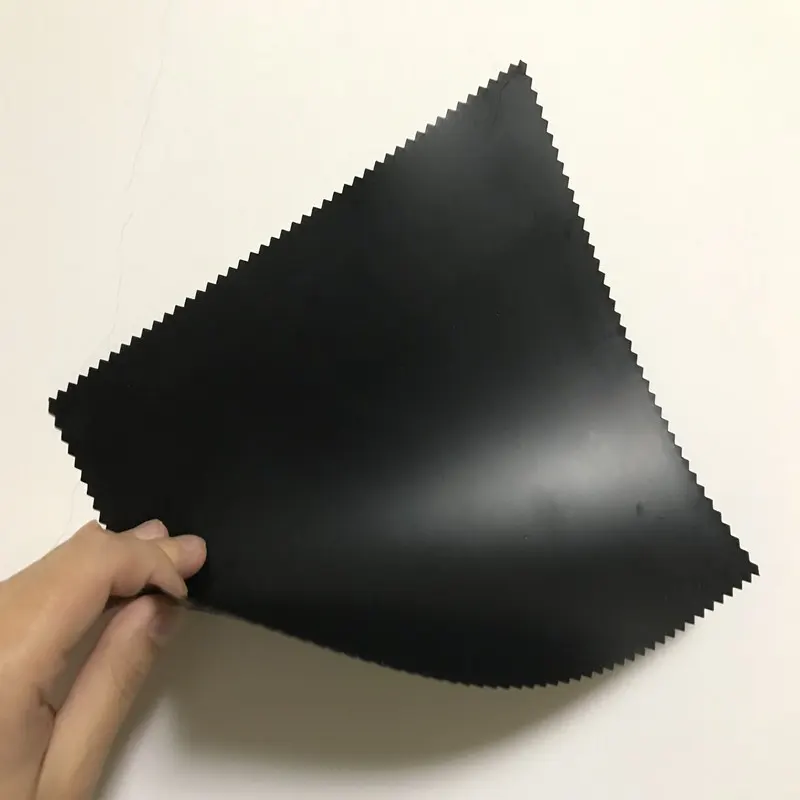 Geomembrane is a thin, extremely low-permeability sheet material made from high-molecular-weight polymers (high-density polyethylene, linear low-density polyethylene).
 - Blog
- Contacts
Pond Liner Geomembrane: Top 8 Questions to Ask Before Buying


A pond liner is easy to underestimate. It sits quietly under soil, rock, and water, doing the unglamorous work of keeping water where you want it. When the liner is right, the pond looks effortless: stable water levels, clean banks, predictable maintenance, and long service life. When the liner is wrong, the pond becomes a recurring problem: leaks, settlement, seam failures, punctures, and constant patching that steals time and budget.
Selecting the right pond liner is not about choosing the thickest sheet and hoping for the best. It is a practical engineering decision that balances pond purpose, site conditions, water chemistry, installation method, and lifecycle expectations. And perhaps the most important part of that process? Asking the right questions before you buy.
Here are the top 8 questions you must ask every pond liner geomembrane supplier—and exactly what to look for in their answers.
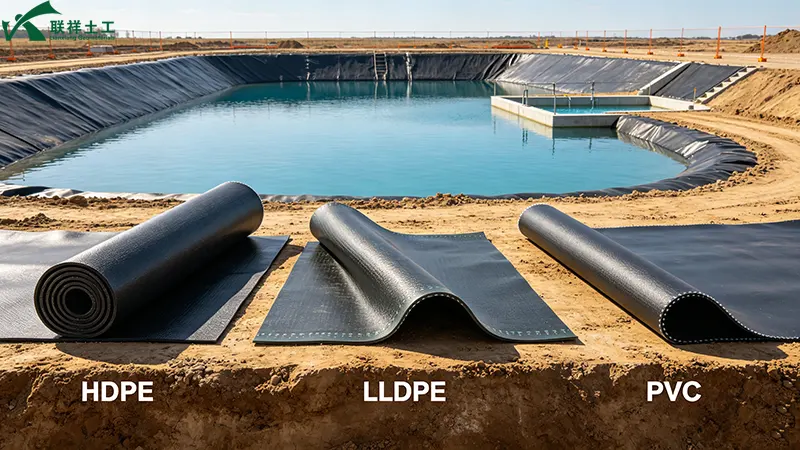
1. What Material Do You Recommend for My Pond—and Why?
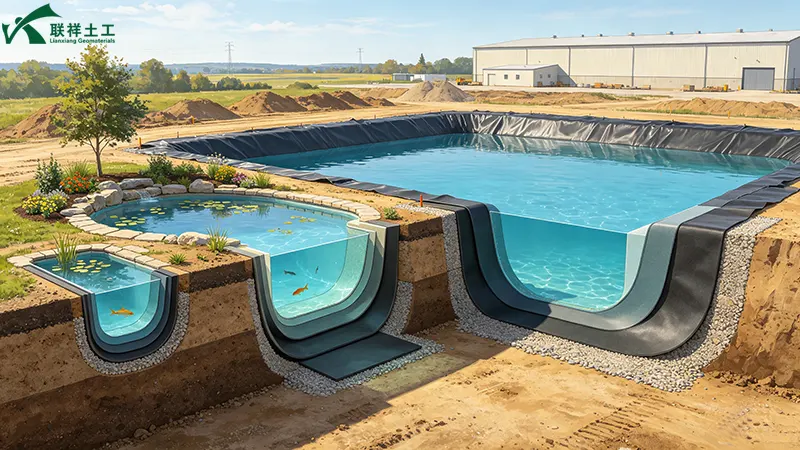
Not all geomembranes are created equal. The material you choose determines the liner’s performance boundaries and suitable application scenarios.
HDPE (High-Density Polyethylene) is known for strong chemical resistance, durability, and low permeability. It is often specified for larger ponds, exposed projects, and applications where long-term performance under environmental stress is critical. HDPE is typically stiffer than LLDPE, which can make it less forgiving on highly irregular subgrades.
LLDPE (Linear Low-Density Polyethylene) generally provides higher flexibility and conformity than HDPE, which helps on irregular surfaces, complex shapes, and ponds with shelves or transitions. LLDPE can be a strong fit when installation demands a liner that “lays down” more easily while still providing robust containment performance.
PVC offers distinct advantages for specific situations: it is soft, flexible, and fast to install. However, its UV resistance is generally lower, and because it contains plasticizers, its long-term environmental performance is a concern. PVC is suitable for temporary projects or short-term applications but requires careful evaluation.
What to ask: Based on my pond's purpose, water chemistry, and site conditions, which material do you recommend and why?
What to look for: A supplier who asks about your specific project conditions before making a recommendation—not one who pushes a single material for every application.
2. What Thickness Do I Need—and Why Does It Matter?
Thickness is the most intuitive but often misunderstood factor in geomembrane selection. The core principle is: The thickness must match the engineering risk—thicker is not always better.
Recommended thickness guidelines for different pond applications:
| Application | Recommended Thickness | Key Considerations |
| Fish & Shrimp Ponds | 0.5mm – 1.0mm | Water depth, burrowing species, cleaning tools |
| Artificial Lakes & Landscape Water Features | 0.75mm – 1.5mm | Subgrade conditions, sharp objects, human activity |
| Wastewater & Equalization Tanks | 1.0mm – 1.5mm | Tank depth, media corrosiveness |
| General Pond Lining | 0.5mm – 0.75mm | Standard aquaculture and irrigation ponds |
HDPE pond liner thickness should be selected based on pond use, subgrade condition, water level, slope geometry, puncture exposure, surface type, protection layer, and seam plan. Thickness alone cannot confirm whether the liner system is suitable. The key is to compare the full containment section rather than buying the thickest or cheapest roll offered.
What to ask: Based on my pond dimensions, depth, subgrade conditions, and water type, what thickness do you recommend—and what is your rationale?
What to look for: A detailed answer that considers your specific site conditions, not a generic "one size fits all" recommendation.
3. Is the Geomembrane Made from Virgin or Recycled Material?
This is one of the most critical—and most overlooked—questions.
Virgin materials offer better performance, longer lifespan, and more predictable properties. A geomembrane made from virgin HDPE can last 50–70 years. It maintains excellent anti-aging properties and UV resistance.
Recycled materials may contain contaminants, inconsistent polymer blends, and degraded additives that compromise long-term performance. While cheaper upfront, recycled-content liners are more prone to stress cracking, UV degradation, and premature failure.
Always ensure the product is made from virgin materials. Ask your supplier for material certifications and third-party test reports. For procurement, ask the supplier to state the polymer type, thickness basis, surface finish, test methods, and batch identification.
What to ask: Is your geomembrane made from 100% virgin HDPE/LLDPE resin? Can you provide material certifications and third-party test reports to verify this?
What to look for: A direct "yes" with documented proof—certificates of analysis, material test reports (MTRs), or third-party lab reports from SGS, Intertek, or similar accredited bodies.
4. How Does Your Liner Perform Against UV Exposure and Aging?
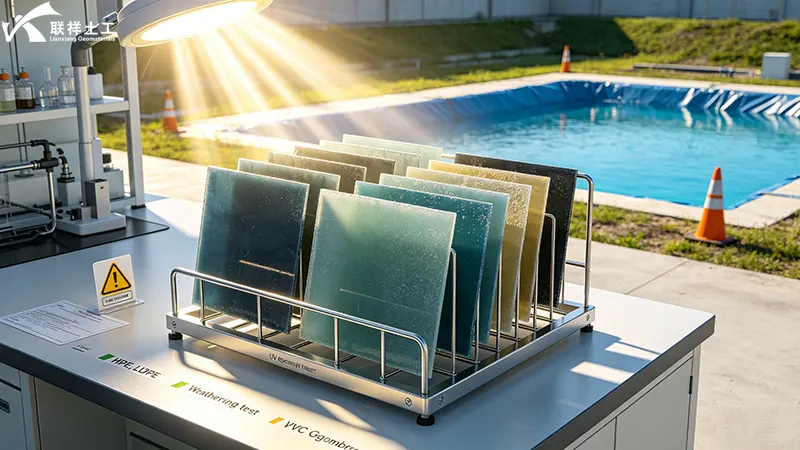
If your pond liner will be exposed to sunlight—even partially—UV resistance is non-negotiable.
HDPE geomembranes with 2%–3% carbon black content achieve an outdoor service life of 10–50 years. High-quality liners can withstand 1,600 hours of UV radiation testing and maintain their properties. Some premium products have been exposed to sunlight for 28 years and remained functional.
However, UV exposure does take a toll. Studies show that after extended UV exposure, geomembranes can experience significant antioxidant depletion—with OIT (Oxidative-Induction Time) values decreasing by as much as 89% compared to virgin material. Stress crack resistance can also decrease significantly.
What to ask: What is your liner's UV resistance rating? Have you conducted 1,600-hour UV testing? What are your Standard OIT and High-Pressure OIT values?
What to look for: UV resistance that meets or exceeds GRI-GM13 standards (which require ≥50% OIT retention after UV exposure). Ask for specific test results, not just general claims.
5. What Certifications and Quality Standards Do You Meet?
Certifications are not just paperwork—they are evidence of a supplier's commitment to quality and consistency.
Key certifications to look for:
| Certification | What It Means |
| ISO 9001 | Robust quality management systems |
| GRI-GM13 | Industry benchmark for HDPE geomembrane physical properties—tensile strength, puncture resistance, UV stability |
| ASTM D6392 | Governs field seam testing for polyethylene geomembranes |
| ASTM D5199 | Nominal thickness test method |
GRI-GM13 is a manufacturing quality-control framework for HDPE geomembranes. It helps buyers review stated properties. However, a specific pond project can require additional or more restrictive design conditions.
What to ask: Which international standards do your products meet? Can you provide copies of your ISO 9001 certification and GRI-GM13 compliance documentation?
What to look for: Verifiable certifications from recognized bodies. Avoid suppliers who cannot produce documentation or who make vague claims about "meeting international standards" without specifics.
6. What Is Your Installation Support and Warranty Policy?
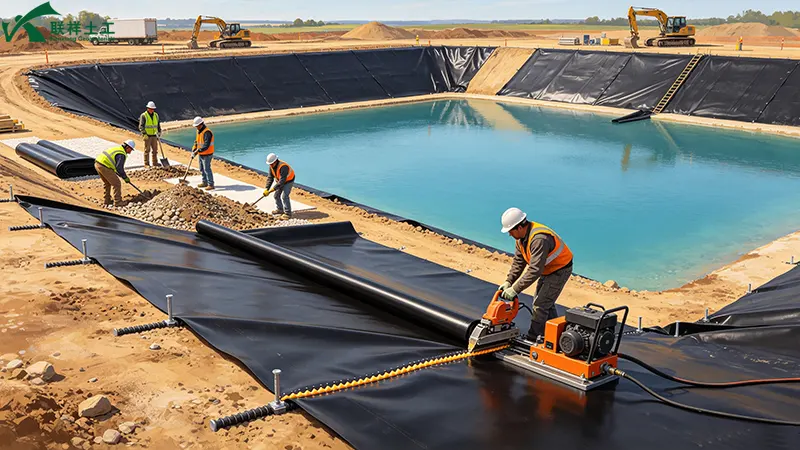
A geomembrane is only as good as its installation. Even the best liner will fail if installed incorrectly.
Installation support: Ask whether the supplier provides:
- On-site installation guidance or supervision
- Technical training for your crew
- Welding equipment recommendations
- Seam QA/QC protocols
Warranty: Material warranties vary widely—from 3 years to 20+ years. A material warranty for a minimum period of 20 years from the geomembrane supplier is a strong indicator of quality and confidence.
Also ask: Is the company likely to be around in the future if a defect does occur? A warranty is meaningless if the supplier goes out of business.
What to ask: What installation support do you provide? What is your standard warranty period, and what does it cover? How long has your company been in business?
What to look for: Clear, written warranty terms; a supplier with a long track record; and a commitment to on-site support—not just shipping materials and disappearing.
7. What Is Included in Your Quotation—and What's Not?
A low price per square meter can mask missing layers that become expensive site changes later. Buyers should ask whether the protection fabric, liner, drainage layer, and cover or ballast detail are all included in the quotation. A low liner price can mask a missing layer that becomes a site change later.
For procurement, ask the supplier to state:
- Polymer type
- Thickness basis
- Surface finish (smooth or textured)
- Roll width and length
- Stated minimum properties
- Test methods
- Batch identification
- Packaging
- Delivery arrangement
- Included documentation
What to ask: Can you provide a detailed, itemized quotation that lists everything included—material, protection layers, delivery, installation support, and any additional costs?
What to look for: Transparency. A supplier who hides costs in fine print or excludes critical components from the quote is not a partner you can trust.
8. Can You Provide References or Case Studies from Similar Projects?
Past performance is the best predictor of future results.
Ask for references from projects similar to yours—same pond type, similar size, comparable site conditions. A reputable supplier should be able to provide:
- Contact information for past clients
- Case studies or project profiles
- Photos of completed installations
- Performance data or testimonials
What to ask: Can you share references from clients who have used your geomembrane for similar pond applications? Do you have case studies or photos from those projects?
What to look for: Willingness to share references and concrete examples. A supplier who hesitates or deflects may have something to hide.
Quick Reference: Top 8 Questions at a Glance
| # | Question | Why It Matters |
| 1 | What material do you recommend—and why? | Different materials suit different applications |
| 2 | What thickness do I need—and why? | Thickness must match engineering risk, not "bigger is better" |
| 3 | Is it made from virgin or recycled material? | Virgin materials last 50–70 years; recycled materials fail prematurely |
| 4 | How does it perform against UV and aging? | Exposed liners need proven UV resistance |
| 5 | What certifications and standards do you meet? | ISO 9001, GRI-GM13, and ASTM are non-negotiable |
| 6 | What installation support and warranty do you offer? | Installation quality determines liner performance |
| 7 | What's included in your quotation—and what's not? | Hidden costs can destroy your budget |
| 8 | Can you provide references or case studies? | Past performance proves reliability |
Conclusion
Choosing a pond liner geomembrane is not a transaction—it's a partnership. The right supplier will ask as many questions as you do, because they understand that every pond is unique. They will walk you through material options, thickness considerations, site preparation requirements, and installation best practices.
Remember: The cheapest quote is rarely the best value. A liner that fails in five years will cost you far more in repairs, lost water, and downtime than a premium liner that performs for decades.
Take the time to ask these 8 questions. Demand clear, documented answers. And choose a supplier who treats your project with the same care and attention that you do.
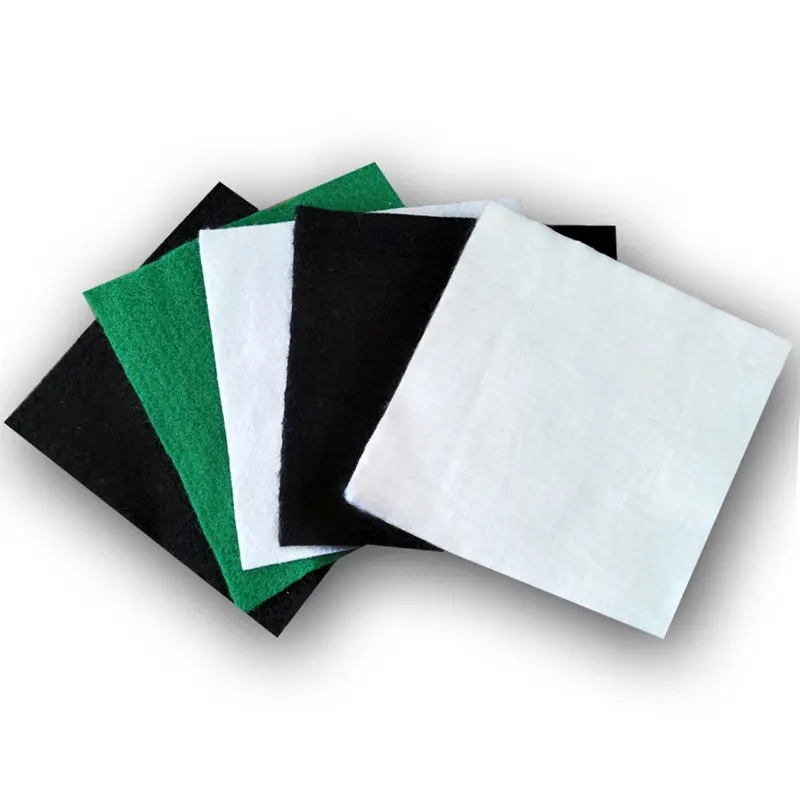
Lianxiang Group supplies high-quality HDPE and LLDPE geomembranes, along with geotextiles, geocells, and geogrids for pond lining and civil engineering projects worldwide. Our technical team can help you select the right material, thickness, and protection layers for your specific pond conditions. Contact us for free samples, technical data sheets, or a customized quotation.
Written by
SHANDONG LIANXIANG ENGINEERING MATERIALS CO., LTD.
Kyle Fan
WhatsApp:+86 139 5480 7766
Email:admin@lianxiangcn.com
-
WhatsApp
-
E-MailE-Mail:admin@lianxiangcn.com
-
WeChatWeChat:18554180188