
- Home
- Company
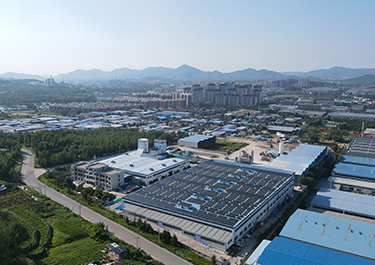 Our FactoryWe have a team of more than 30 talented geotechnical material R&D experts and a 30,000 square meter advanced modern intelligent manufacturing plant.
 - Products
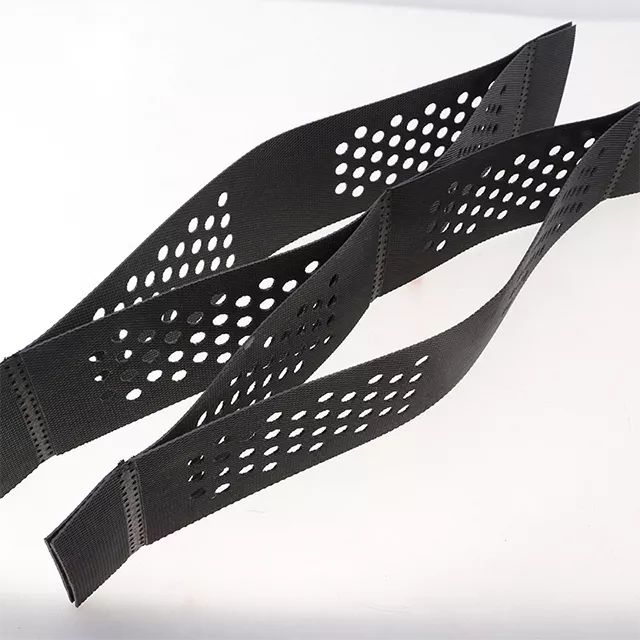 Geocell is a three-dimensional mesh structure made of high-strength polymer sheets (such as HDPE, PP, etc.) through ultrasonic welding. When unfolded, it presents a three-dimensional grid shape.
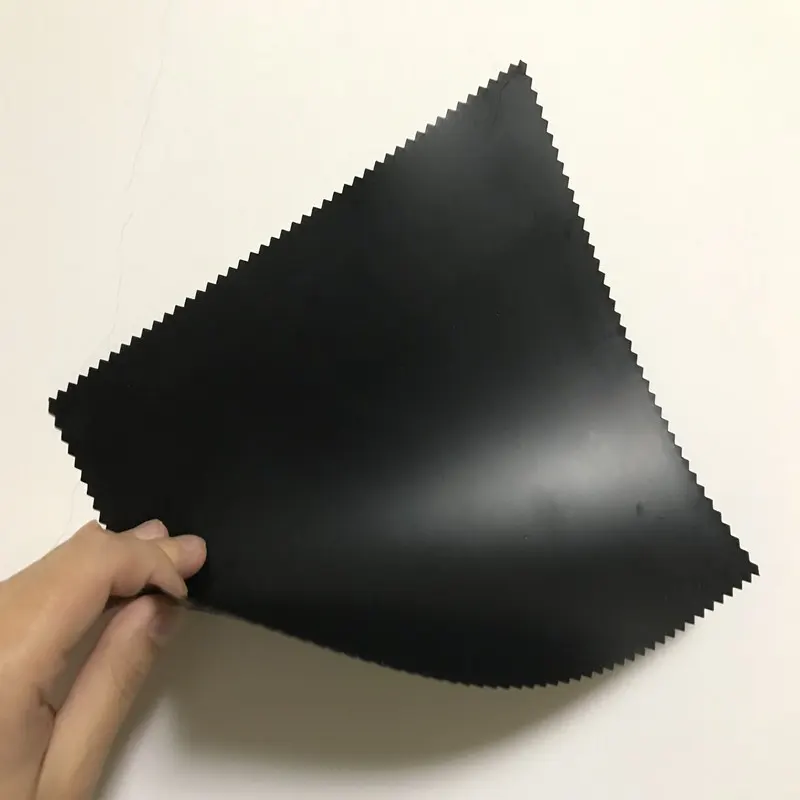 Geomembrane is a thin, extremely low-permeability sheet material made from high-molecular-weight polymers (high-density polyethylene, linear low-density polyethylene).
 - Blog
- Contacts
Geomembrane Price: Top 8 Cost Factors to Know Before Buying


If you've ever requested a geomembrane quote, you've probably noticed one thing: prices vary wildly. One supplier offers $0.45 per square meter, another quotes $1.60, and a third won't give you a number without a full project specification sheet.
The truth is, geomembrane pricing is not fixed. It fluctuates significantly based on multiple interconnected factors. Currently, mainstream quotations in the market typically range from several yuan to over twenty yuan per square meter—a spread that reflects the complexity behind the numbers.
Here are the top 8 factors that determine what you'll actually pay for a geomembrane—and what you need to know before making a purchase.
1. Raw Material Costs – The Foundation of Pricing
The single largest component of geomembrane price is the cost of raw materials. Resin prices—particularly HDPE (High-Density Polyethylene) and LLDPE (Linear Low-Density Polyethylene)—fluctuate with global oil markets, supply chain dynamics, and regional demand.
What you need to know:
- High-quality geomembranes must be made from virgin polyethylene resin; recycled materials are not permitted for projects requiring long-term performance
- Resin quality directly impacts durability, chemical resistance, and UV stability
- When oil prices rise, expect geomembrane prices to follow
The takeaway: A price that seems "too good to be true" often means the manufacturer is using lower-grade resins or recycled content. Virgin resin costs more upfront but delivers significantly longer service life.
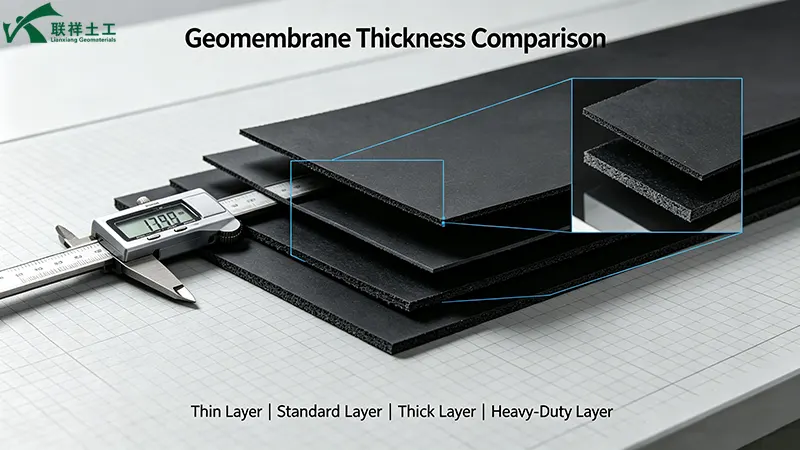
2. Thickness – The Most Obvious Cost Driver
Thickness is measured in millimeters (mm) or mils (1 mil = 0.0254 mm). Standard geomembrane thickness ranges from 0.2mm to 3.0mm, and the price scales accordingly.
| Thickness | Typical Applications | Relative Cost |
| 0.25mm – 0.75mm | Temporary covers, light-duty lining | Lowest |
| 1.0mm – 1.5mm | Landfills, ponds, aquaculture | Moderate |
| 2.0mm – 3.0mm | Mining, hazardous waste, heavy-duty containment | Highest |
What you need to know:
- A 1.5mm geomembrane is standard for landfills and many containment applications
- Thicker membranes require more raw material, driving up cost per square meter
- However, thicker is not always better—spec the thickness that matches your engineering requirements, not the maximum available
The takeaway: Understand your project's minimum thickness requirements before comparing prices. A quote for 1.0mm will look very different from a quote for 2.5mm.
3. Material Type and Resin Quality
Not all geomembranes are created equal. The type of polymer used significantly affects both price and performance.
Common geomembrane materials:
| Material | Key Characteristics | Relative Cost |
| HDPE | High strength, excellent chemical resistance, durable | Moderate–High |
| LLDPE | More flexible, conforms to irregular surfaces | Similar to HDPE |
| PVC | Soft, flexible, faster installation | Variable |
| EVA / ECB | Specialized applications | Higher |
What you need to know:
- HDPE is the most widely used geomembrane worldwide
- Density is a core indicator—higher density (≥0.940 g/cm³) generally correlates with better stiffness, chemical resistance, and durability
- Carbon black content (2.0%–3.0%) is essential for UV resistance; insufficient content will significantly reduce service life
The takeaway: When comparing prices, ensure you're comparing the same material type and resin quality. A cheap LLDPE liner is not a substitute for a spec-grade HDPE liner.
4. Surface Texture – Smooth vs. Textured
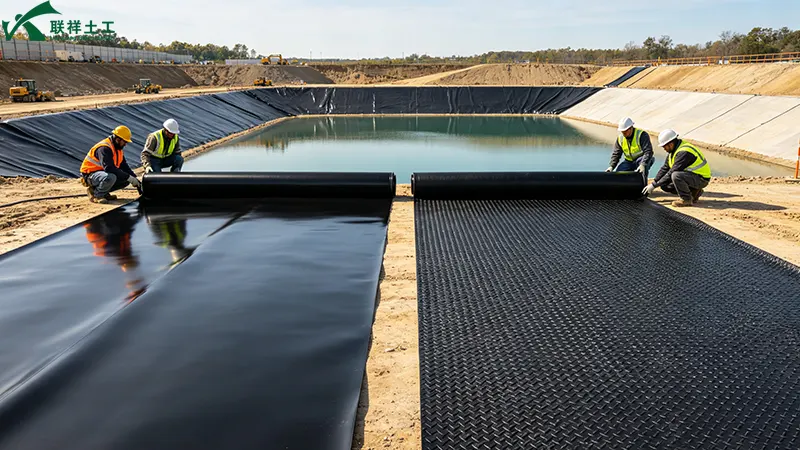
Surface configuration might look like a minor detail on a quotation, but it can significantly affect the final price.
Smooth geomembranes are more economical and faster to weld. They are suitable for flat or gently sloping containment areas.
Textured geomembranes cost 10% to 30% more than smooth ones due to the complex manufacturing process.
| Surface Type | Cost Premium | Best Use |
| Smooth | Baseline | Flat areas, low slopes |
| One-side textured | +10–20% | Moderate slopes |
| Two-side textured | +20–30% | Steep slopes, composite liner systems |
What you need to know:
- Textured geomembranes provide higher interface friction, making them essential for steep slopes
- The higher upfront cost provides essential insurance against slope failure, making it the better long-term value in slope-sensitive projects
- Texture adds production and handling cost—confirm whether your project really needs one-side or two-side texture
The takeaway: Don't automatically spec textured geomembranes for every project. If your site is flat, smooth liners will save you money without compromising performance.
5. Quality Standards and Certifications
Compliance with international standards adds cost—but it also adds confidence. A geomembrane that meets ASTM or GRI standards undergoes rigorous testing and quality control.
Key standards that affect pricing:
| Standard | What It Covers | Cost Impact |
| ASTM GRI-GM13 | HDPE geomembrane physical properties—tensile strength, puncture resistance, UV stability | Higher |
| ISO 9001 | Quality management systems | Moderate |
| ASTM D5199 | Nominal thickness test method | Moderate |
What you need to know:
- Certified geomembranes undergo testing for tensile yield strength (≥11 N/mm), puncture resistance (≥240 N), and tear resistance (≥93 N)
- Certification involves third-party audits and ongoing quality control—costs that are passed on to buyers
- However, uncertified liners carry significant risk of premature failure
The takeaway: A lower price from an uncertified manufacturer may cost you far more in the long run. Always verify standards compliance before comparing quotes.
6. Order Volume and MOQ (Minimum Order Quantity)
Economies of scale apply to geomembranes just like any other manufactured product.
Typical MOQ ranges:
- Small orders: 1,000–5,000 square meters
- Standard orders: 10,000–50,000 square meters
- Large projects: 100,000+ square meters
What you need to know:
- Per-square-meter prices drop significantly at higher volumes
- Manufacturers with high production capacity (e.g., 50,000 sqm per day) can offer better rates for large orders
- Some suppliers offer tiered pricing based on order quantity
The takeaway: If your project is large, negotiate volume discounts. If it's small, expect to pay a premium—and consider consolidating orders with other projects if possible.
7. Shipping, Logistics, and Packaging
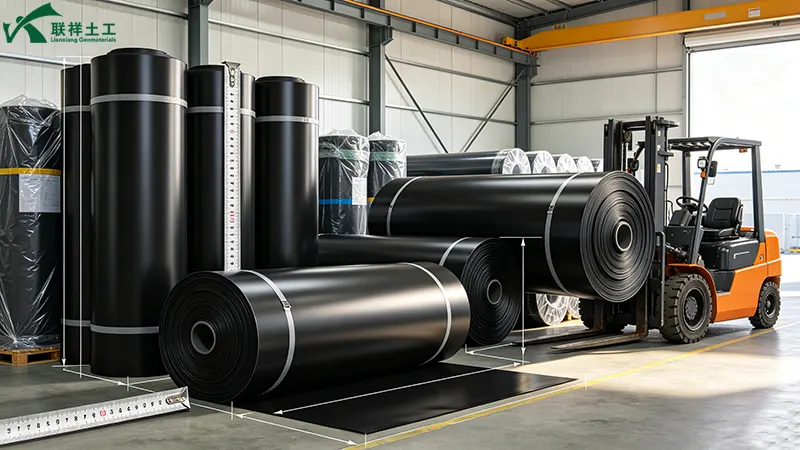
Geomembranes are bulky and heavy. Shipping costs can be a significant portion of the total landed cost—especially for international orders.
Logistics factors that affect price:
| Factor | Impact |
| Distance | Longer shipping = higher freight costs |
| Roll dimensions | Width (5–9m) and length (50–150m) affect container utilization |
| Packaging | PE bags + colored tapes (standard) vs. specialized packaging |
| Incoterms | EXW, FOB, CIF—who pays for shipping and insurance? |
What you need to know:
- A greater roll width reduces the number of field seams, improving impermeability reliability—but may increase shipping complexity
- Some suppliers include shipping in their quote; others quote EXW (Ex Works) and let you arrange logistics separately
- Port charges, customs duties, and inland transportation all add to the final cost
The takeaway: Always clarify who pays for what when comparing prices. A lower FOB price may not be cheaper than a higher CIF price once shipping is factored in.
8. Installation and Ancillary Materials
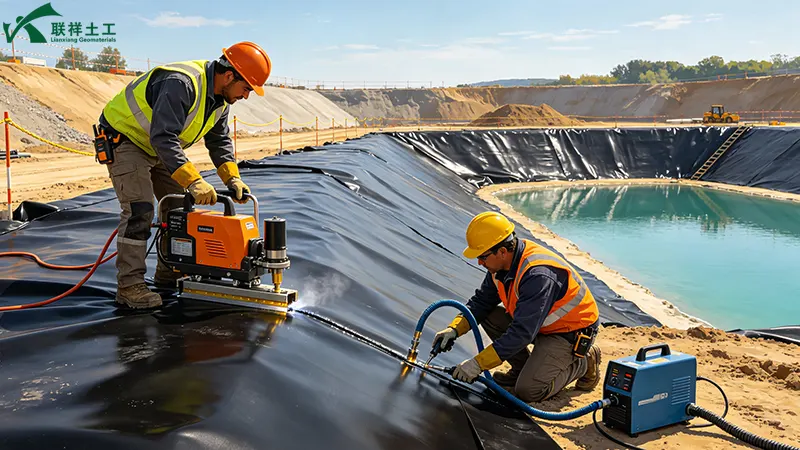
The price of the geomembrane itself is only part of the story. The installed cost—including labor, equipment, and ancillary materials—often exceeds the material cost.
Installation-related costs to consider:
| Cost Item | Description |
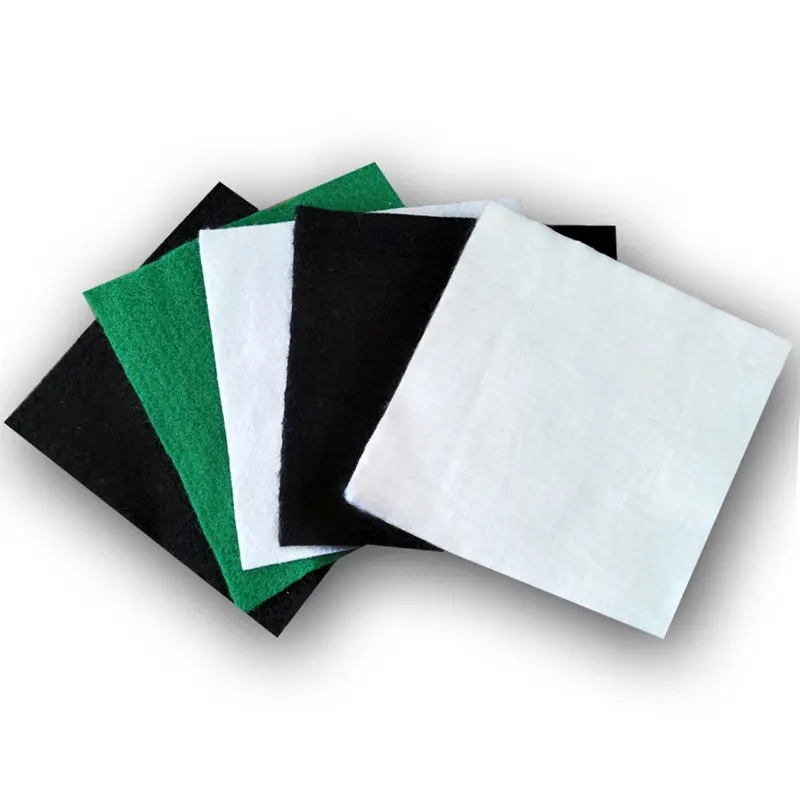
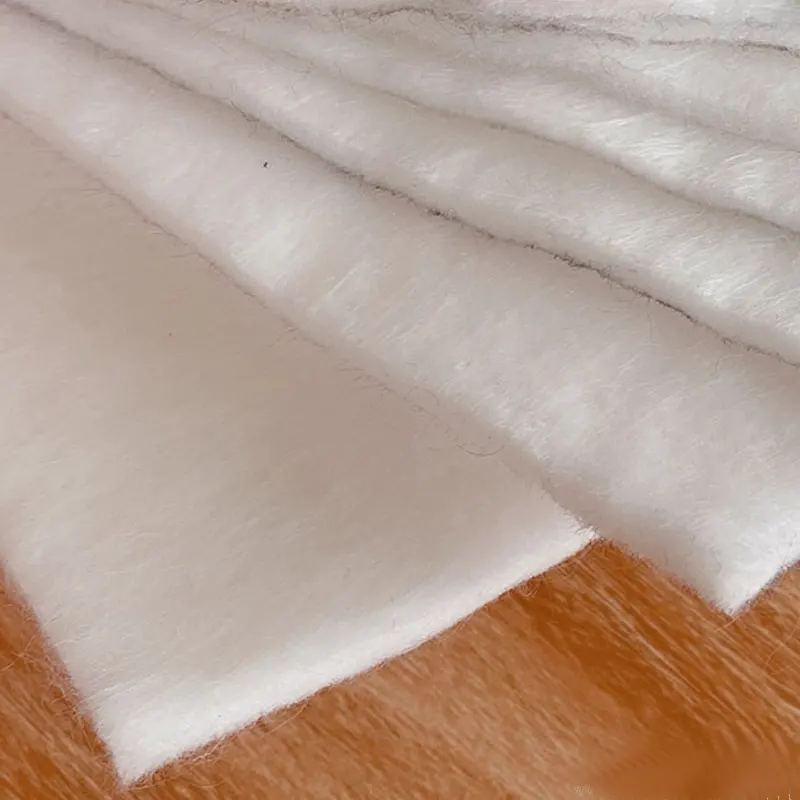
| Geotextile protection layer | Placed beneath or above the geomembrane for cushioning and drainage |
| Anchor trenches | Securing the liner at edges and slopes |
| Welding and seaming | Labor, equipment, and quality testing (air pressure, vacuum, spark tests) |
| Subgrade preparation | Clearing, grading, and compacting the base |
| Quality assurance (CQA) | Third-party inspection and testing |
What you need to know:
- Some suppliers offer turnkey solutions that include installation—others supply material only
- A precise quotation necessitates a comprehensive assessment based on specific project requirements—thickness, standards, quantity, and engineering solutions
- Ancillary materials like geotextiles can add 10–30% to the total project cost
The takeaway: When comparing quotes, ask: "Does this price include installation and ancillary materials, or just the geomembrane itself?" A lower material price may not mean a lower installed cost.
Quick Reference: Top 8 Geomembrane Cost Factors at a Glance
| # | Factor | Key Impact |
| 1 | Raw Material Costs | Resin prices and quality drive 40–60% of total cost |
| 2 | Thickness | 0.2mm to 3.0mm—more material = higher cost |
| 3 | Material Type | HDPE, LLDPE, PVC—each has different cost and performance |
| 4 | Surface Texture | Textured costs 10–30% more than smooth |
| 5 | Quality Standards | Certified (ASTM, ISO) = higher cost, lower risk |
| 6 | Order Volume | Bulk orders reduce per-square-meter price |
| 7 | Shipping & Logistics | Freight, packaging, and Incoterms affect landed cost |
| 8 | Installation & Ancillaries | Geotextiles, welding, and labor add significant cost |
How to Get an Accurate Geomembrane Quote
To get a meaningful price comparison, provide potential suppliers with:
- Project specifications — thickness, material type, surface texture
- Quality requirements — ASTM, GRI, or ISO standards
- Order quantity — total square meters and roll dimensions
- Delivery location — for accurate freight calculation
- Installation requirements — material only, or turnkey installation?
A precise quotation necessitates a comprehensive assessment based on specific project requirements, such as thickness, standards, quantity, and engineering solutions.
Conclusion
Geomembrane pricing is rarely simple—but understanding the 8 key factors above will help you navigate the quoting process with confidence. The cheapest quote is not always the best value, and the most expensive isn't always the highest quality.
Remember:
- Compare like-for-like specifications, not just prices
- Factor in shipping, installation, and ancillaries when evaluating total cost
- Prioritize certified, virgin-material geomembranes for long-term performance
- Ask questions—a reputable supplier will welcome them
Lianxiang Group supplies high-quality HDPE and LLDPE geomembranes in thicknesses from 0.25mm to 3.0mm, with smooth and textured options, meeting ASTM and GRI standards. Our technical team can help you select the right material for your specific project requirements and provide transparent, itemized quotations. Contact us for free samples, technical data sheets, or a customized quote.
Written by
SHANDONG LIANXIANG ENGINEERING MATERIALS CO., LTD.
Kyle Fan
WhatsApp:+86 139 5480 7766
Email:admin@lianxiangcn.com
-
WhatsApp
-
E-MailE-Mail:admin@lianxiangcn.com
-
WeChatWeChat:18554180188