
- Home
- Company
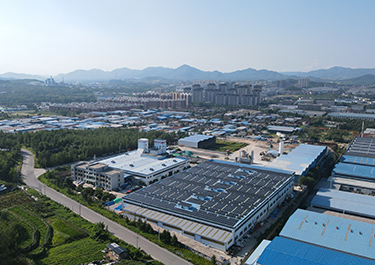 Our FactoryWe have a team of more than 30 talented geotechnical material R&D experts and a 30,000 square meter advanced modern intelligent manufacturing plant.
- Products
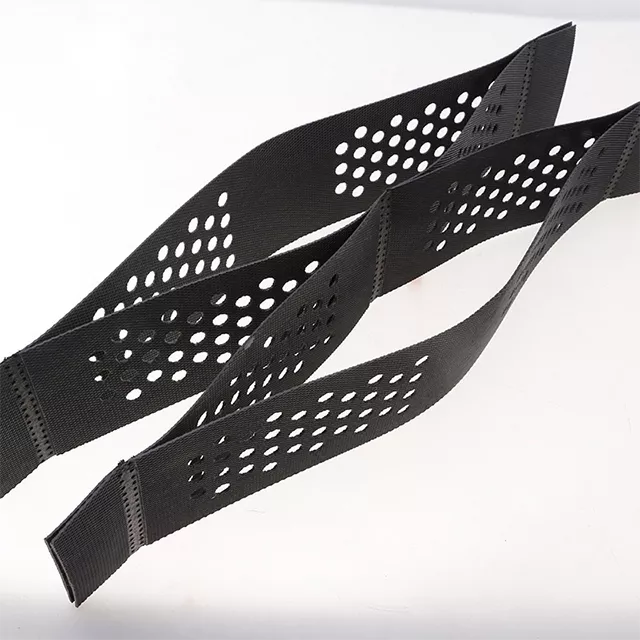 Geocell is a three-dimensional mesh structure made of high-strength polymer sheets (such as HDPE, PP, etc.) through ultrasonic welding. When unfolded, it presents a three-dimensional grid shape.
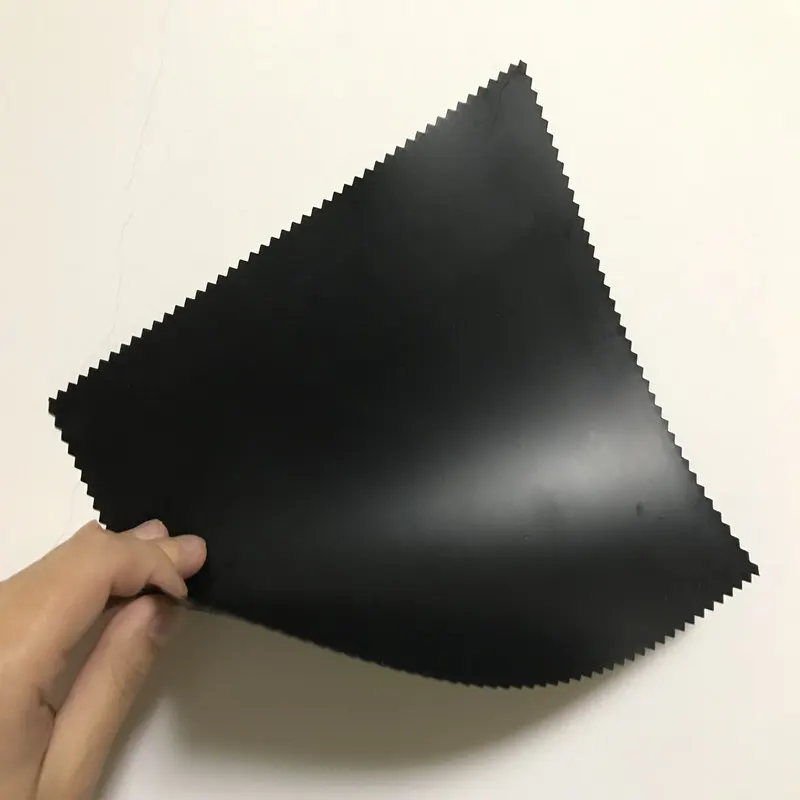 Geomembrane is a thin, extremely low-permeability sheet material made from high-molecular-weight polymers (high-density polyethylene, linear low-density polyethylene).
- Blog
- Contacts
HDPE Geocell: Top 7 Slope Protection & Erosion Control Tips


Slope failure is rarely a sudden event. It begins with surface erosion-rainwater washing away fines, rills forming on unprotected slopes, and vegetation struggling to establish. Left unchecked, erosion undermines the slope toe, reduces shear strength, and eventually triggers shallow or deep-seated failure. The cost is measured not only in repair expenses but in disrupted infrastructure, sediment pollution, and potential safety incidents.
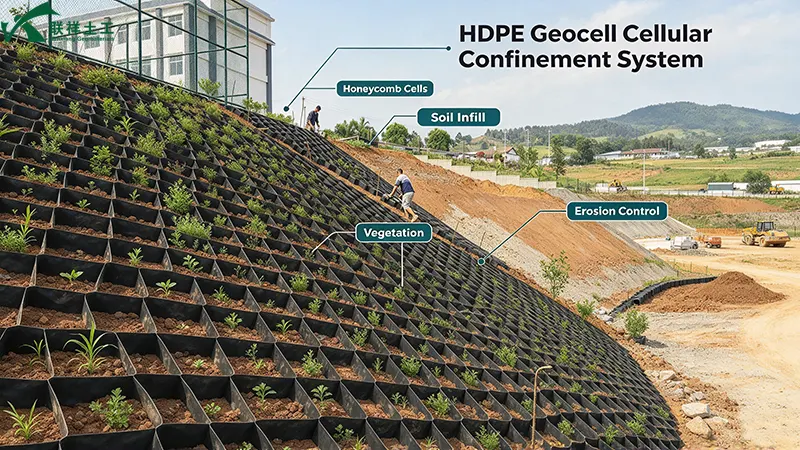
The HDPE geocell-a three-dimensional cellular confinement system manufactured from high-density polyethylene-has become one of the most effective solutions for slope protection and erosion control. By confining infill material within a honeycomb network of cells, the geocell transforms loose soil, gravel, or sand into a rigid, load-bearing composite structure that resists erosion, distributes water flow, and maintains slope stability.
Field performance data shows that geocell-reinforced slopes can withstand flow velocities of 3–6 m/s without significant erosion-compared to 0.5–1.5 m/s for unprotected slopes. On steep slopes where vegetation alone cannot establish, geocells provide immediate mechanical protection while supporting long-term ecological restoration.
This guide provides the top 7 HDPE geocell tips for slope protection and erosion control-covering design, material selection, installation, and long-term performance.
Tip 1: Understand How Cellular Confinement Works on Slopes
The HDPE geocell is a cellular confinement system-a three-dimensional honeycomb structure made from ultrasonically welded HDPE strips. When expanded on a slope and filled with compacted material, it creates a composite structure that performs several functions simultaneously.
Lateral confinement: The cell walls restrain lateral movement of the infill material, preventing it from spreading or sliding down the slope. This confinement increases the shear strength of the infill by a factor of 2–5 compared to unconfined material.
Load distribution: The geocell acts as a semi-rigid mattress that distributes surface loads and water flow forces over a wider area, reducing stress concentrations on the slope surface.
Erosion resistance: By confining the surface material, the geocell prevents particle detachment from raindrop impact and surface runoff. The cell walls also reduce flow velocity within each cell, minimizing erosive energy.
Vegetation support: The cellular structure provides a stable root zone for vegetation establishment, even on steep slopes where topsoil would otherwise wash away.
| Function | Mechanism | Performance Benefit |
|---|---|---|
| Lateral confinement | Cell walls restrain infill spreading | 2–5× increase in shear strength |
| Load distribution | Semi-rigid mattress spreads forces | Reduced stress concentrations |
| Erosion resistance | Cells prevent particle detachment | Withstands 3–6 m/s flow velocity |
| Vegetation support | Stable root zone within cells | Improved plant establishment on steep slopes |
Key takeaway: The HDPE geocell is not simply a physical barrier-it is a structural system that changes the mechanical behavior of the infill material, making it suitable for slopes where conventional erosion control methods would fail.
Tip 2: Select the Right Geocell Specification – Height, Welding Distance, and Sheet Thickness
The performance of an HDPE geocell on a slope depends on three key specification parameters: cell height, welding distance (cell size), and sheet thickness. Getting these specifications right is essential for matching the geocell to the slope conditions.
Cell height: The depth of the geocell determines the volume of infill material and the confinement effect. For slope protection and erosion control, common heights range from 75 mm to 200 mm.
| Cell Height | Typical Application | Slope Gradient |
|---|---|---|
| 50–75 mm | Surface erosion control, vegetation support | Gentle to moderate slopes (≤1:2) |
| 100–150 mm | Standard slope protection, channel lining | Moderate to steep slopes (1:2 to 1:1.5) |
| 150–200 mm | Steep slope stabilization, high-flow channels | Steep slopes (≥1:1.5) |
| 200–300 mm | Retaining structures, heavy load applications | Very steep slopes and walls |
Welding distance (cell size): This is the distance between adjacent weld points, which determines the cell opening dimensions. Common welding distances are 330 mm, 356 mm, 400 mm, and 445 mm. Smaller cells provide more confinement and are preferred for steep slopes and high-flow conditions. Larger cells are more economical for gentle slopes and vegetation applications.
Sheet thickness: The HDPE sheet thickness (typically 1.0 mm to 1.7 mm) determines the tensile strength and puncture resistance of the cell walls. For slope protection applications, a minimum sheet thickness of 1.2 mm is recommended. For steep slopes or high-stress conditions, 1.5 mm or greater is preferred.
| Parameter | Recommended for Slope Protection | Why It Matters |
|---|---|---|
| Cell height | 100–150 mm (standard); 150–200 mm (steep) | Determines confinement volume |
| Welding distance | 330–400 mm | Smaller cells = more confinement |
| Sheet thickness | ≥1.2 mm (standard); ≥1.5 mm (heavy-duty) | Determines cell wall strength |
| Tensile strength (sheet) | ≥20 MPa | Ensures cell integrity under load |
| Environmental stress crack resistance | ≥500 hours (ASTM D5397) | Long-term durability |
Construction tip: Always request test reports for sheet tensile strength (ASTM D638), environmental stress crack resistance (ASTM D5397), and weld seam strength. A reputable HDPE geocell manufacturer will provide these as standard documentation.
Tip 3: Choose the Correct Infill Material for Your Slope
The infill material determines the final performance of the cellular confinement system. The geocell provides the structure-but the infill provides the mass, strength, and erosion resistance.
Infill options for slope protection:
| Infill Type | Best Application | Key Consideration |
|---|---|---|
| Topsoil / Vegetated soil | Ecological slopes, gentle to moderate gradients | Supports vegetation; requires adequate nutrients |
| Gravel / Crushed stone | High-flow channels, steep slopes | High permeability; excellent erosion resistance |
| Sand | Moderate slopes, areas with limited aggregate | Good drainage; lower cohesion than gravel |
| Recycled concrete | Sustainable projects, moderate slopes | Cost-effective; verify gradation and angularity |
| Soil-cement mix | High-stress applications, steep slopes | Highest strength; reduced permeability |
Infill selection guidelines:
- For vegetated slopes: Use topsoil with organic content of 3–8% and pH suitable for the target plant species. Fill to 25–50 mm above the cell height to allow for settlement and root development.
- For high-flow channels: Use angular crushed stone (20–40 mm) with a uniformity coefficient of 1.5–3.0. Avoid rounded river gravel, which has lower interlock and erosion resistance.
- For steep slopes (≥1:1.5): Use gravel or soil-cement to provide immediate mechanical stability while vegetation establishes.
- Avoid: Organic-rich soils with high clay content (prone to shrinkage cracking), uniform fine sands (low cohesion), and material with sharp contaminants that could damage the geocell.
Construction tip: The infill material should be placed in lifts and compacted to at least 95% of standard Proctor density. Overfill the cells by 25–50 mm to account for settlement and to ensure complete cell coverage.
Tip 4: Prepare the Slope Surface and Anchor the Geocell Correctly
Proper slope preparation and anchoring are critical for the long-term performance of an HDPE geocell system. A geocell that is not properly anchored can slide, buckle, or pull out under its own weight and the weight of the infill.
Slope surface preparation:
- Clear all vegetation, debris, roots, and loose soil from the slope surface
- Grade the slope to a uniform profile-remove bumps and fill depressions
- Compact the slope surface to at least 90% of standard Proctor density
- Install a geotextile separation layer on the prepared slope if the subgrade is fine-grained or prone to migration
- Excavate an anchor trench at the crest of the slope-minimum 300 mm wide × 300 mm deep, set back at least 600 mm from the slope edge
Anchoring requirements:
| Anchor Location | Method | Spacing |
|---|---|---|
| Crest (top of slope) | Anchor trench + concrete or compacted backfill | Continuous |
| Toe (bottom of slope) | Anchor trench or concrete curb | Continuous |
| Intermediate (slope face) | U-shaped steel pins or J-pins | 1–2 m grid |
| Cell edges | Steel pins through cell walls | Every 1–2 cells |
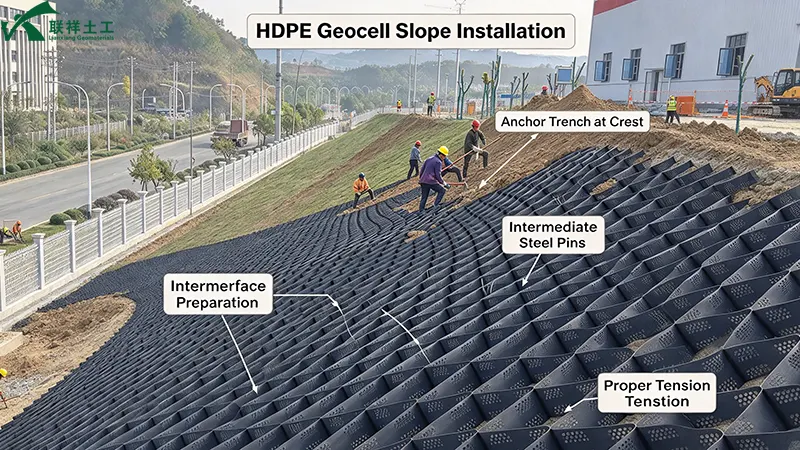
Construction tip: For steep slopes (steeper than 1:1.5), consider using a continuous concrete anchor beam at the crest in addition to the anchor trench. The anchor system should be designed to resist the full sliding force of the geocell and infill mass.
Tip 5: Follow the Correct Installation Sequence – Expand, Anchor, Fill, Compact
The installation sequence for an HDPE geocell on a slope is critical. Working from the top down and following a systematic process ensures that the geocell remains in position and the infill is properly confined.
Step-by-step installation sequence:
| Step | Action | Key Detail |
|---|---|---|
| 1 | Position the geocell at the crest | Place the collapsed geocell panel at the top of the slope, aligned with the anchor trench |
| 2 | Anchor the top edge | Secure the geocell in the crest anchor trench before expanding |
| 3 | Expand the geocell downslope | Pull the geocell evenly down the slope until the cells are fully open |
| 4 | Anchor intermediate sections | Install U-shaped pins at 1–2 m spacing across the slope face |
| 5 | Connect adjacent panels | Use connection clips or keys to join panels-maintain continuous coverage |
| 6 | Fill the cells from top to bottom | Place infill material from the crest downward-do not fill from the toe upward |
| 7 | Compact the infill | Compact each lift to 95% Proctor density-use light equipment on the slope face |
| 8 | Overfill and finish | Overfill cells by 25–50 mm; vegetate or place surface treatment as specified |
Critical installation rules:
- Never fill a geocell from the bottom up-this causes the geocell to lift and buckle
- Do not use heavy compaction equipment directly on an unfilled geocell-it will damage the cell walls
- Maintain proper overlap and connection between adjacent panels-gaps allow infill to escape and erosion to initiate
- Work in manageable sections-complete each section (expand, anchor, fill, compact) before moving to the next
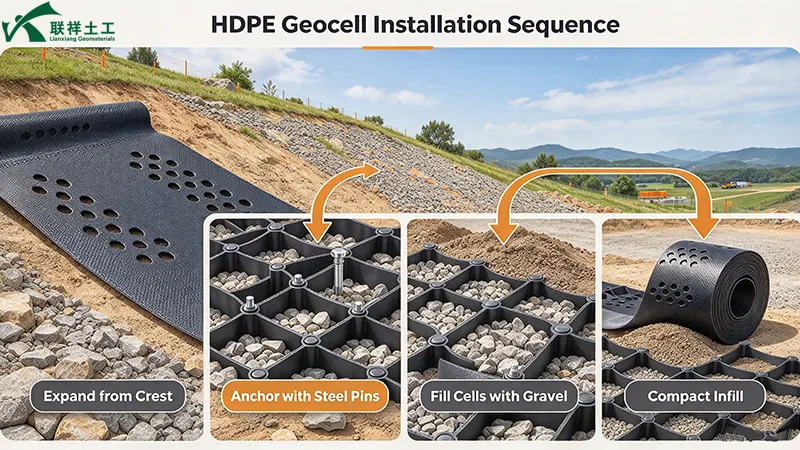
Construction tip: For large slopes, divide the work into 5–10 m wide vertical strips. Complete each strip fully before moving to the next-this prevents wind uplift and keeps the geocell in position during filling.
Tip 6: Integrate Vegetation for Long-Term Ecological Protection
While the HDPE geocell provides immediate mechanical protection, vegetation establishes long-term erosion control and ecological restoration. The combination of geocell confinement and vegetation is more effective than either approach alone.
Benefits of vegetated geocell slopes:
- Root reinforcement: Plant roots bind the infill material and add cohesive strength to the surface layer
- Hydraulic roughness: Vegetation increases surface roughness, reducing flow velocity and erosive energy
- Water interception: Plant canopy intercepts rainfall, reducing raindrop impact and surface runoff
- Evapotranspiration: Plants remove moisture from the soil, reducing pore pressure and improving slope stability
- Ecological value: Vegetated slopes provide habitat, carbon sequestration, and visual amenity
Vegetation establishment guidelines:
| Factor | Recommendation | Why It Matters |
|---|---|---|
| Topsoil depth | 100–150 mm above geocell | Provides root zone and nutrients |
| Seed selection | Native species with deep root systems | Better adaptation and erosion control |
| Seeding rate | 1.5–2× standard rate | Compensates for steep slope conditions |
| Mulching | Apply straw or erosion control blanket | Protects seedlings until establishment |
| Irrigation | Supplemental watering for first 4–8 weeks | Ensures germination on steep slopes |
Construction tip: For steep slopes where direct seeding is difficult, consider hydroseeding with a tackifier or using pre-vegetated geocell panels. Avoid vegetation species with shallow, fibrous root systems-deep-rooted grasses and legumes provide better long-term stability.
Tip 7: Inspect and Maintain the Geocell System for Long-Term Performance
An HDPE geocell slope protection system is designed for long-term service-typically 20–50 years when properly installed. However, periodic inspection and maintenance are essential to identify and address issues before they compromise performance.
Inspection checklist:
| Inspection Item | Frequency | What to Look For |
|---|---|---|
| Cell integrity | Annual | Cracks, tears, or deformation in cell walls |
| Anchor condition | Annual | Loose pins, anchor trench settlement, exposed edges |
| Infill condition | Annual | Erosion, loss of infill, settlement below cell height |
| Vegetation cover | Annual | Bare patches, dead vegetation, invasive species |
| Drainage | Annual | Water ponding, channel blockage, flow concentration |
| Slope surface | After extreme weather | Rills, gullies, slumping, or movement |
Maintenance actions:
- Refill cells that have lost infill material-use the same material type as the original installation
- Replace damaged or missing connection clips and pins
- Repair erosion rills with compacted infill and reseed
- Remove invasive vegetation and replant with appropriate species
- Clear drainage channels and maintain flow paths
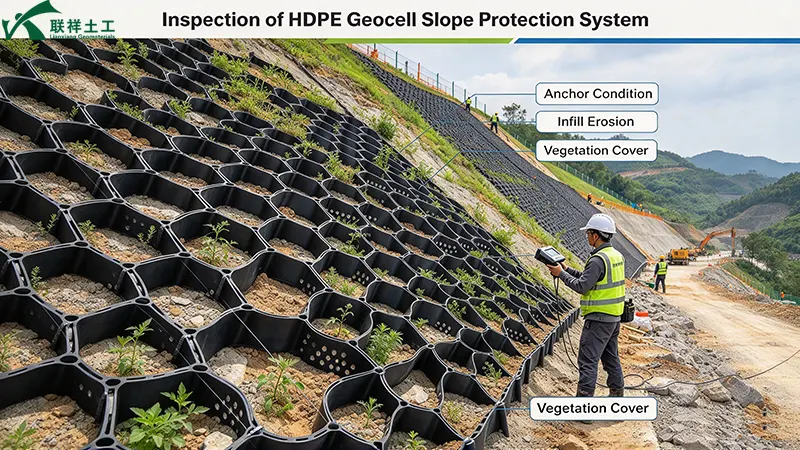
Construction tip: Establish a maintenance log at the time of installation. Record the as-built condition, including photographs of the slope before and after vegetation establishment. This baseline data is invaluable for identifying changes during future inspections.
Quick Reference: Top 7 HDPE Geocell Slope Protection Tips
| # | Tip | Key Parameter | Target Outcome |
|---|---|---|---|
| 1 | Understand cellular confinement | 3D honeycomb structure | 2–5× shear strength increase |
| 2 | Select correct specification | Height 100–200 mm; thickness ≥1.2 mm | Matches slope gradient and flow conditions |
| 3 | Choose correct infill | Topsoil for vegetation; gravel for high flow | Optimizes performance and cost |
| 4 | Prepare and anchor slope | Anchor trench + intermediate pins | Prevents sliding and buckling |
| 5 | Follow installation sequence | Top-down: expand, anchor, fill, compact | Ensures proper cell formation |
| 6 | Integrate vegetation | Native deep-rooted species | Long-term ecological protection |
| 7 | Inspect and maintain | Annual inspection checklist | 20–50 year service life |
Final Thoughts
The HDPE geocell is one of the most versatile and effective tools for slope protection and erosion control. By confining infill material within a three-dimensional cellular structure, it transforms loose soil into a stable, load-bearing system that resists erosion, distributes water flow, and supports vegetation establishment.
Remember these core principles:
- Match the geocell specification to the slope gradient and flow conditions-cell height, welding distance, and sheet thickness all matter
- Select the right infill for the application-topsoil for vegetated slopes, gravel for high-flow channels, soil-cement for steep slopes
- Anchor correctly-a geocell that is not properly anchored will slide or buckle regardless of its material quality
- Follow the installation sequence-expand from the crest, anchor, fill from top to bottom, and compact
- Integrate vegetation for long-term ecological protection-the combination of geocell and plants outperforms either alone
- Inspect and maintain-annual inspections catch issues before they become failures
Whether you are stabilizing a highway embankment, protecting a channel from erosion, or restoring a disturbed slope, the right HDPE geocell system-properly specified, anchored, and installed-can deliver decades of reliable slope protection and erosion control.
Lianxiang Group supplies high-quality HDPE geocells in heights from 50 mm to 300 mm, with welding distances of 330–445 mm and sheet thicknesses from 1.0 mm to 1.7 mm. Our technical team can help you select the right cellular confinement system for your slope protection and erosion control project. Contact us for free samples, technical data sheets, or a customized design.
Written by
SHANDONG LIANXIANG ENGINEERING MATERIALS CO., LTD.
Kyle Fan
WhatsApp:+86 139 5480 7766
Email:admin@lianxiangcn.com
-
WhatsApp
-
E-MailE-Mail:admin@lianxiangcn.com
-
WeChatWeChat:18554180188