
- Home
- Company
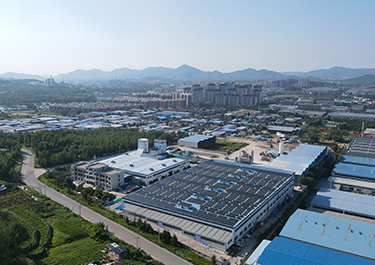 Our FactoryWe have a team of more than 30 talented geotechnical material R&D experts and a 30,000 square meter advanced modern intelligent manufacturing plant.
 - Products
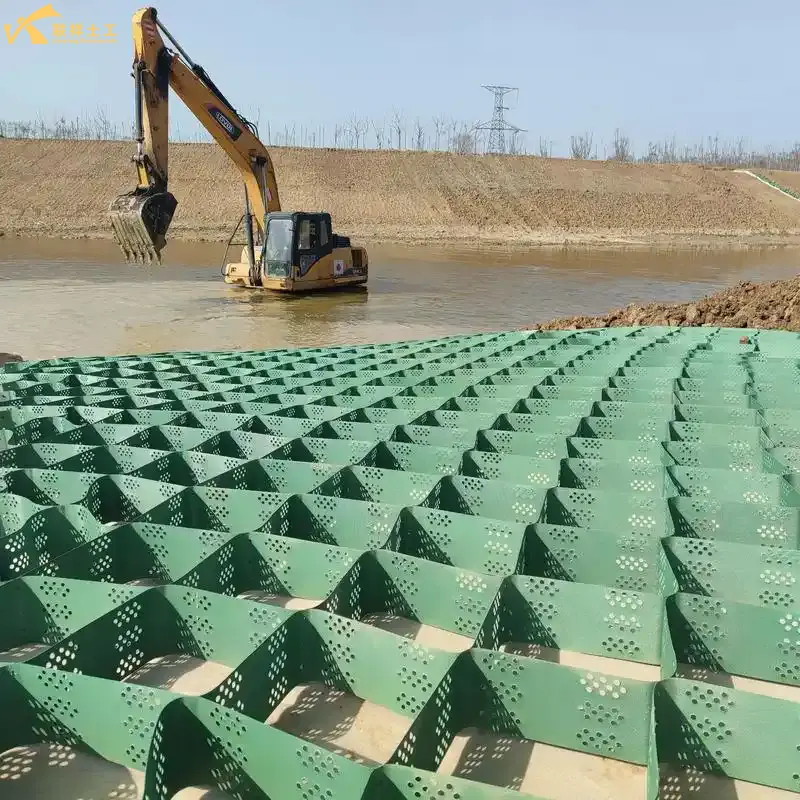
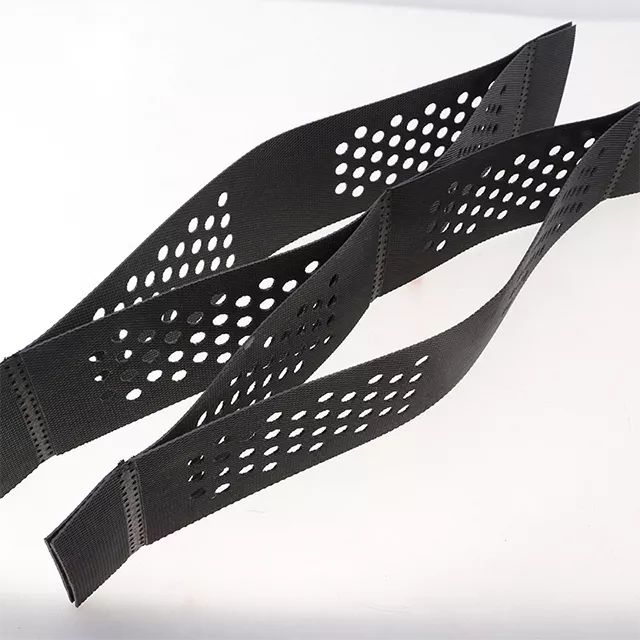 Geocell is a three-dimensional mesh structure made of high-strength polymer sheets (such as HDPE, PP, etc.) through ultrasonic welding. When unfolded, it presents a three-dimensional grid shape.
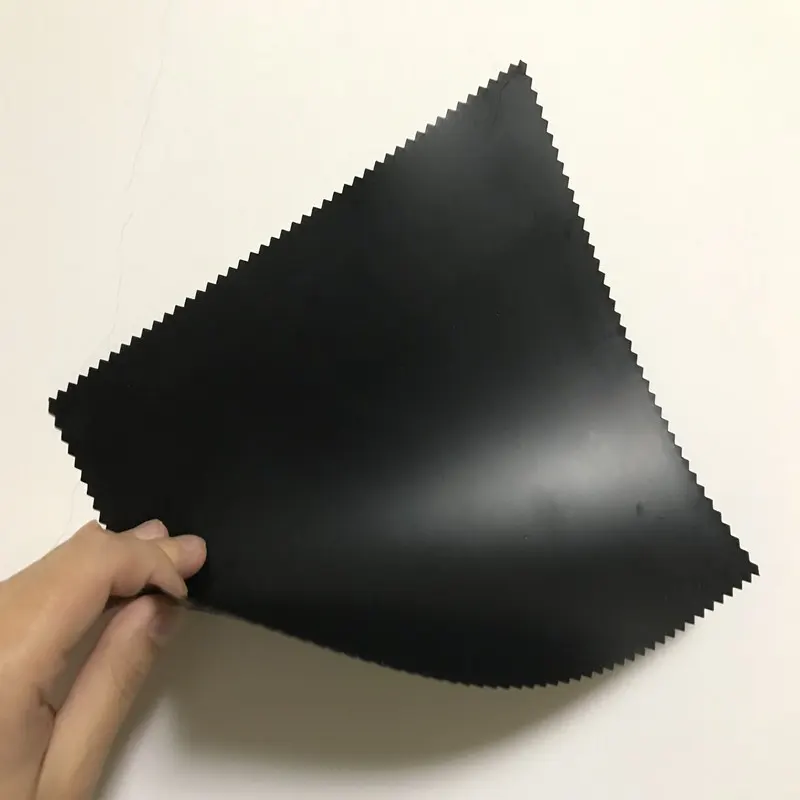 Geomembrane is a thin, extremely low-permeability sheet material made from high-molecular-weight polymers (high-density polyethylene, linear low-density polyethylene).
 - Blog
- Contacts
The 7 Major Reasons for Substandard Elongation at Break of Geocells


Elongation at break of geocells is a key indicator for measuring their toughness and engineering suitability. According to GB/T 19274-2024, the elongation at break of HDPE geocells should not be less than 12%. During production and testing, substandard elongation often manifests as brittle material, easy fracture, and low elongation values. Comprehensive analysis reveals that these substandard issues are mainly caused by improper control in seven key areas: raw materials, formulation, extrusion, stretching, welding, post-processing, and testing operations. These issues directly affect product quality and engineering safety.
1. Inferior Raw Materials/Excessive Recycled Material (Most Common)
1.1. Core Judgment Basis (Data-Driven)
According to GB/T 19274-2024 General Requirements for Geocells and Geosynthetics:
- Geocells should use virgin high-density polyethylene (HDPE) raw materials.
- Large amounts of non-geochemical grade recycled materials and mixed-color recycled materials are strictly prohibited.
- Industry internal control: Recycled material addition ratio >10% significantly affects toughness.
- >15% will basically lead to unqualified elongation at break.
1.2. Specific Data Impact (Most Critical)
- Pure Virgin Geochemical Grade HDPE: Elongation at Break 18%-35% (Qualified and Stable).
- Recycled Material 10%-15%: Elongation at Break 12%-15% (Critical, Barely Qualified).
- Recycled Material 20%-30%: Elongation at Break 8%-11% --> Directly unqualified (National Standard >= 12%).
- Recycled material > 40% or multiple recycled materials: Elongation at break< 7% --> Severe brittle fracture, cracks upon pulling.
1.3. Typical abnormal indicators of inferior raw materials
High melt flow rate (MFR)
- Virgin material: 0.5-1.5 g/10min.
- Inferior/recycled material: > 2.0 g/10min.
- Molecular chain breakage --> Significantly reduced toughness.
Abnormally high ash content
- Normal: < 3%.
- Inferior material: > 5% or even > 10%.
- Contains a large amount of fillers and impurities, elongation rate plummets.
Insufficient carbon black content
- Qualified: 2.0%-2.5%.
- Inferior material: < 1.5%.
- Poor aging resistance, rapid decline in short-term elongation rate.
1.4. Why does recycled material lead to substandard elongation?
- Recycled material undergoes repeated high-temperature heating, causing the polyethylene molecular chains to break and the molecular weight to decrease.
- The material becomes brittle, the yield point disappears, and it breaks directly without significant elongation during stretching.
- Impurities, oil stains, and mixtures of different materials create internal weak points.
- Lack of antioxidants and light stabilizers leads to rapid aging and brittleness after storage or sun exposure.
1.5. On-site visual judgment (can be observed without instruments)
- Whitening, brittle, and lacking toughness in the strip.
- Cracks and whitening marks appear after several bends.
- No significant elongation during stretching, direct brittle fracture.
- Rough fracture surface, no stringing, lack of toughness, necking.
2. Formula imbalance (filler/toughening/anti-aging)
Excessive calcium carbonate/talc
- Normal addition of 5%–10%: Elongation 20%–25%.
- Addition of 20%–30%: Elongation 9%–11% (substandard).
- For every additional 10% of filler: Elongation decreases by 6%–10%.
Insufficient Toughening Agent
- Sufficient: Elongation 25%–35%.
- Lack of Toughening Agent: Elongation 10%–12% (critical/unacceptable).
Insufficient Antioxidant/Carbon Black
- No Addition: Outdoor 1–3 Months Elongation from 20% --> < 8%.
- Qualified Addition: 5 Years Elongation Retention >= 70%.
3. Poor Extrusion Process (Temperature/Cooling/Thickness)
3.1. Extrusion Temperature Too High
- Temperature > 210oC.
- Molecular thermal degradation, chain breakage.
- Elongation at break decreases by 15%–25%.
- Original elongation 22% --> drops to 16.5%–18.7%, severely < 12%.
3.2. Extrusion Temperature Too Low
- Temperature < 180oC.
- Insufficient plasticization, uneven melt.
- Unmelted particles exist inside the sheet, stress concentration.
- Generally low elongation 8%–10%, Brittle fracture.
3.3. Excessive sheet thickness deviation
- Thickness tolerance > +(-)0.10 mm.
- Stress concentration in thin areas, leading to premature fracture during tension.
- Elongation fluctuation can reach +(-)5%.
- Common occurrence: Some rolls of material are acceptable, while others are < 12%.
3.4. Excessive/uneven cooling
- Rapid cooling leads to high internal stress.
- Sheet becomes "hard and stiff".
- Elongation drops from the normal 20%+ to the critical value of 10%–12%.
- Bending easily causes whitening and microcracks.
3.5. Unstable traction speed
- Sudden speed fluctuations --> Uneven longitudinal stress.
- Disordered molecular orientation of sheet.
- Elongation fluctuates, resulting in poor batch consistency.
- Some samples show elongation rates directly falling below the acceptable level.
3.6. Die head pressure fluctuations, uneven melt
- Streaks, delamination, and air trapping appear.
- Many internal weak points.
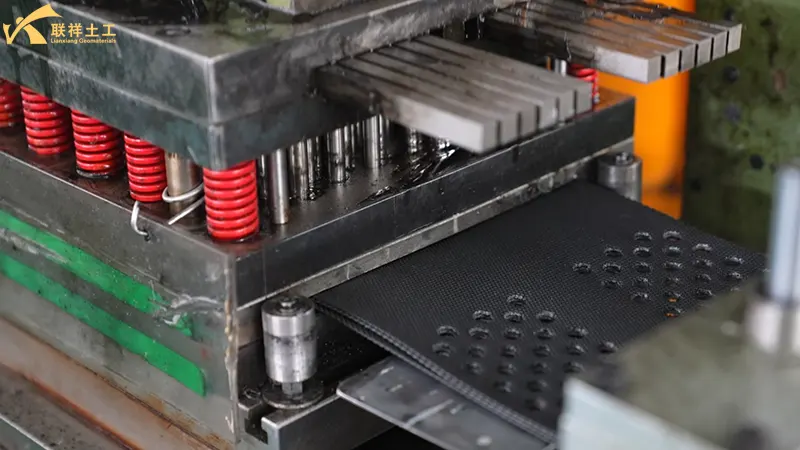
4. Uncontrolled stretching process (stretching ratio/temperature/rate)
- Excessive stretching ratio (>5:1).
- Increased strength, elongation from 25% --> < 10% (unacceptable).
- Low stretching temperature.
- Insufficient molecular chain extension --> brittle fracture, elongation < 11%.
- Uneven longitudinal/transverse stretching.
- Anisotropy --> acceptable in one direction, < 10% in the other.
5. Welding/joint defects (weld point thermal damage)
- Excessively high welding temperature/excessively long welding time.
- Thermal aging of the weld area --> weld point elongation < 8% (< 80% of base material).
- Weld point breaks first during overall stretching, data unacceptable.
- Insufficient welding pressure.
- Poor fusion --> low weld point strength, elongation < 7%.
6. Insufficient post-treatment/aging (internal stress not eliminated)
- No heat treatment/annealing.
- High internal stress --> Elongation 10%–12% (critical).
- Over-annealing (temperature > 110oC).
- Thermal degradation --> Elongation decrease 10%–15%.
- Insufficient storage time (< 24h).
- Unreleased stress --> Large fluctuations in test results, easily < 12%.
7. Testing/Construction/Aging Deviations (Data Distortion or Later Decrease)
- Non-standard testing.
- Too fast a testing rate (>5%/min) --> Elongation 3%–8% lower.
- Scratches/micro-cracks on the sample --> Premature fracture, elongation < 10%.
- Temperature < 20oC --> Brittle, elongation decrease 2%–5%.
- Construction damage.
- Exposure to sunlight for 7 days: Elongation 20% --> 12%–14%.
- Exposure to sunlight for 30 days: Elongation < 10% (unacceptable).
- Acid/alkali/corrosive environment.
- Corrosion for 3 months: Elongation decrease 20%–40%.
Quick Troubleshooting
- 1. Raw Materials: MFR, ash, and recycled material ratio.
- 2. Formulation: Filler < 15%, sufficient toughening agent.
- 3. Extrusion: Temperature 190–205oC, thickness tolerance < +(-)0.08mm.
- 4. Stretching: Stretching ratio 3:1–4.5:1, moderate temperature.
- 5. Welding: Weld elongation >= 80% of base material.
- 6. Post-treatment: Fully annealed, low internal stress.
- 7. Testing: 23+(-)2oC, rate 0.5%–2%/min, no sample damage.
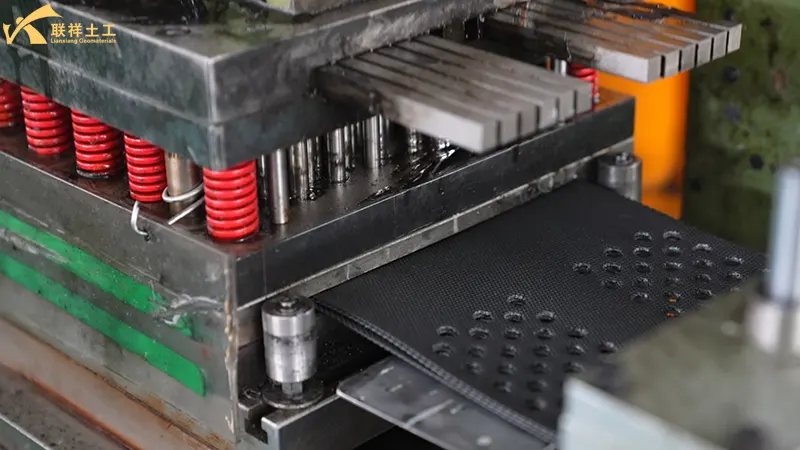
In summary, the unqualified elongation at break of geocells is the result of deficiencies in multiple process stages and quality control. Manufacturers should strictly control raw material access, standardize extrusion and stretching processes, optimize welding and post-treatment procedures, and standardize testing operations. Through meticulous control throughout the entire process, they can ensure that the product's elongation at break meets national standards, guaranteeing the reliability of engineering applications.
Written by
SHANDONG LIANXIANG ENGINEERING MATERIALS CO., LTD.
Kyle Fan
WhatsApp:+86 139 5480 7766
Email:admin@lianxiangcn.com
-
WhatsApp
-
E-MailE-Mail:admin@lianxiangcn.com
-
WeChatWeChat:18554180188